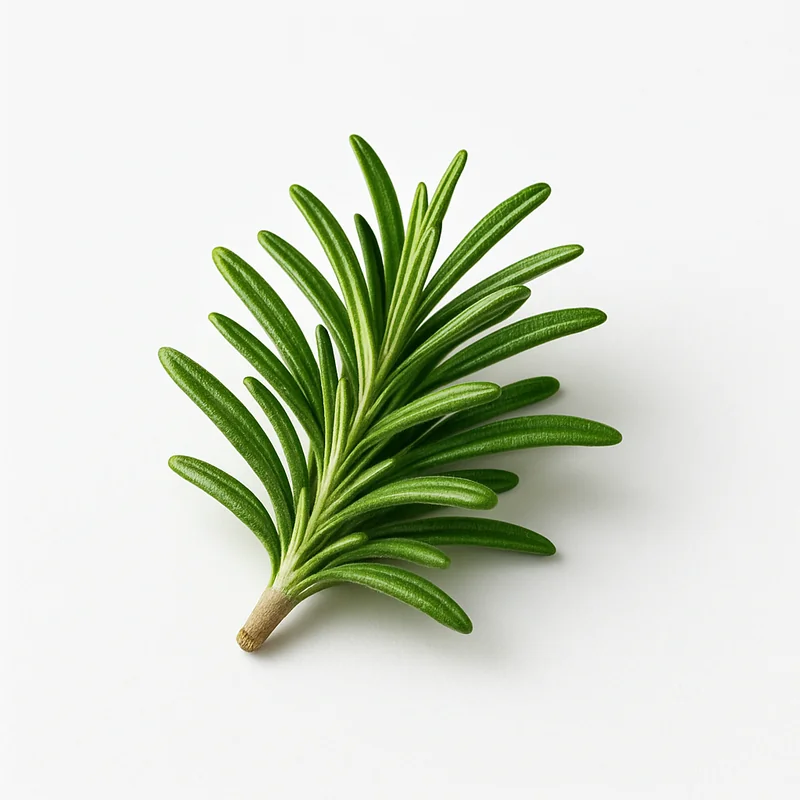
Rosemary
Rosemary is a Mediterranean herb rich in polyphenolic compounds and essential oils, delivering concentrated levels of iron, calcium, and antioxidants with minimal calories.
Nutrition · per ~2 g serving · ≈ a pinch
- Vitamin B60.02 mg<1% DV
- Folate2.2 mcg<1% DV
- Vitamin C0.44 mg<1% DV
- Riboflavin0.00 mg<1% DV
- Niacin0.02 mg<1% DV
- Thiamin0.00 mg<1% DV
- Vitamin A2.9 iu<1% DV
- Manganese0.02 mg<1% DV
- Iron0.13 mg<1% DV
- Copper0.01 mg<1% DV
- Calcium6.3 mg<1% DV
- Magnesium1.8 mg<1% DV
- Potassium13.4 mg<1% DV
- Zinc0.02 mg<1% DV
- Phosphorus1.3 mg<1% DV
- Sodium0.52 mg<1% DV
- Saturated Fat0.06 g
- Monounsaturated Fat0.02 g
- Polyunsaturated Fat0.02 g
- Polyphenols~3.0 mg
Score · 95/100
Vitamins & minerals packed in relative to calories — the single biggest driver of the score.
How much protein it delivers, by absolute grams and per calorie.
Dietary fiber for gut health, satiety and steadier blood sugar.
Fat quality — unsaturated vs saturated, and trans-fat free.
Polyphenols, flavonoids and other beneficial plant compounds for this food group.
Low sugar with a high fiber-to-carb ratio scores best — gentler on blood sugar.
- Vitamin B647% DV
- Manganese42% DV
- Iron37% DV
- Copper33% DV
- Folate27% DV
Overview
Rosemary (Rosmarinus officinalis) is a woody perennial native to the Mediterranean region, historically used in culinary and traditional medicine practices for thousands of years. Despite being typically consumed in small quantities, rosemary delivers impressive micronutrient density: per 100g it provides 6.65mg of iron (37% of daily value), 317mg of calcium, and substantial amounts of potassium and magnesium. The herb's primary longevity relevance stems from its bioactive polyphenols—particularly carnosic acid, carnosol, and rosmarinic acid—which function as potent antioxidants and anti-inflammatory agents. These compounds have demonstrated neuroprotective properties in research models and may support cognitive function and mitochondrial health. Rosemary's essential oils contain 1,8-cineole and camphor, contributing to its traditional use for respiratory and circulatory support. While rosemary is consumed in small amounts (typically 1-2 teaspoons fresh or dried per serving), its bioactive concentration means even modest intake contributes meaningfully to antioxidant and polyphenol intake. The herb pairs synergistically with olive oil and other Mediterranean staples, representing a core component of longevity-associated dietary patterns.
Health Benefits (5)
- Enhanced cognitive function and neuroprotectionmoderateCarnosic acid and carnosol cross the blood-brain barrier and neutralize free radicals in neural tissue, while rosmarinic acid reduces neuroinflammation through modulation of microglia activation
- Improved antioxidant and anti-inflammatory statusstrongHigh polyphenol content (particularly rosmarinic and carnosic acids) neutralizes reactive oxygen species and inhibits pro-inflammatory signaling pathways including NF-κB
- Enhanced blood flow and vascular functionmoderateRosmarinic acid and other phenolics improve endothelial function through nitric oxide bioavailability and reduce platelet aggregation
- Support for bone mineral densityemergingHigh calcium (317mg/100g) and magnesium content support bone matrix formation, while polyphenols may enhance osteoblast activity and reduce bone resorption
- Mitochondrial protection and energy metabolismemergingCarnosol protects mitochondrial membrane integrity and supports ATP synthesis by reducing oxidative stress in the electron transport chain
Food Pairings
- ·Pair with extra-virgin olive oil in dressings or drizzles because both contain complementary polyphenols that enhance antioxidant bioavailability and support cardiovascular health
- ·Combine with fatty fish (salmon, sardines) because fat-soluble rosemary polyphenols enhance absorption while omega-3s amplify anti-inflammatory effects
- ·Use with iron-rich legumes (lentils, chickpeas) because rosemary's vitamin C content (21.8mg/100g) enhances non-heme iron absorption from plant sources
- ·Pair with turmeric and black pepper in warm beverages because curcumin and rosmarinic acid work synergistically to reduce systemic inflammation through complementary pathways
Practical Tips
- ·Fresh rosemary retains 40% more bioactive polyphenols than dried; store fresh sprigs in a damp paper towel in the refrigerator for up to 2 weeks to maximize phytochemical content
- ·Steep 1-2 teaspoons of dried rosemary in hot water for 5-10 minutes to create a polyphenol-rich herbal infusion; consume 1-2 cups daily for consistent antioxidant intake
- ·Add rosemary at the end of cooking or as a garnish when possible, as prolonged heat above 160°C degrades heat-sensitive bioactive compounds like rosmarinic acid
- ·Combine dried rosemary with other Mediterranean herbs (oregano, thyme) in a 2:1:1 ratio to create a synergistic seasoning blend that maximizes polyphenolic diversity
Optimal Timing
Rosemary's polyphenols and micronutrients support health throughout the day. Morning consumption may enhance cognitive function, while evening use supports antioxidant status and relaxation (due to calmative essential oils). As a culinary herb, integration across meals optimizes consistent phytochemical intake.
Rosemary tea can be consumed during fasting periods as it contains minimal calories (infusions ~2-5 kcal) while delivering bioactive compounds.
Concerns
- · Moderate saturated fat
