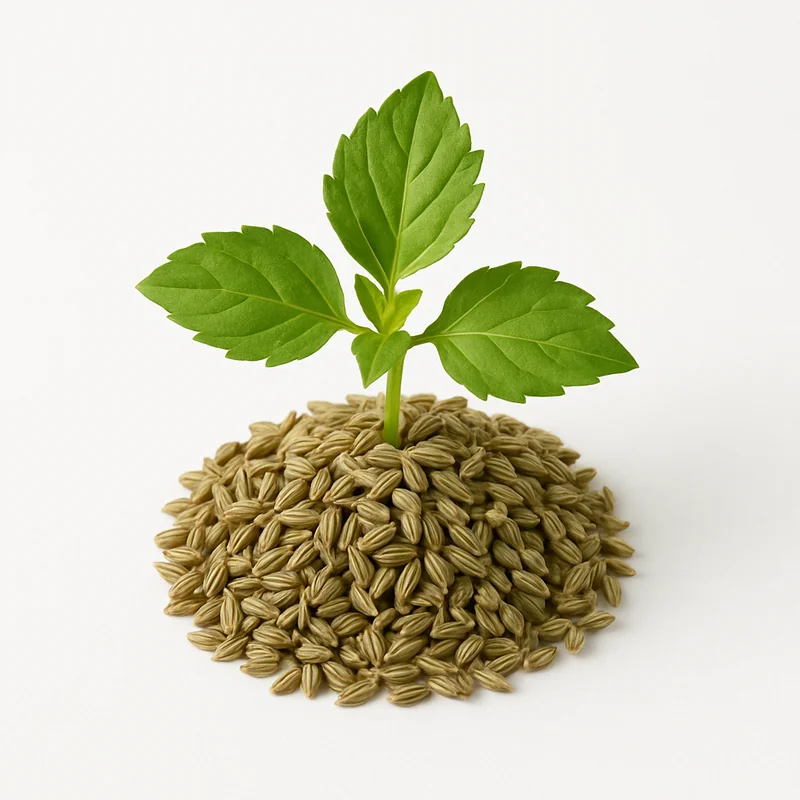
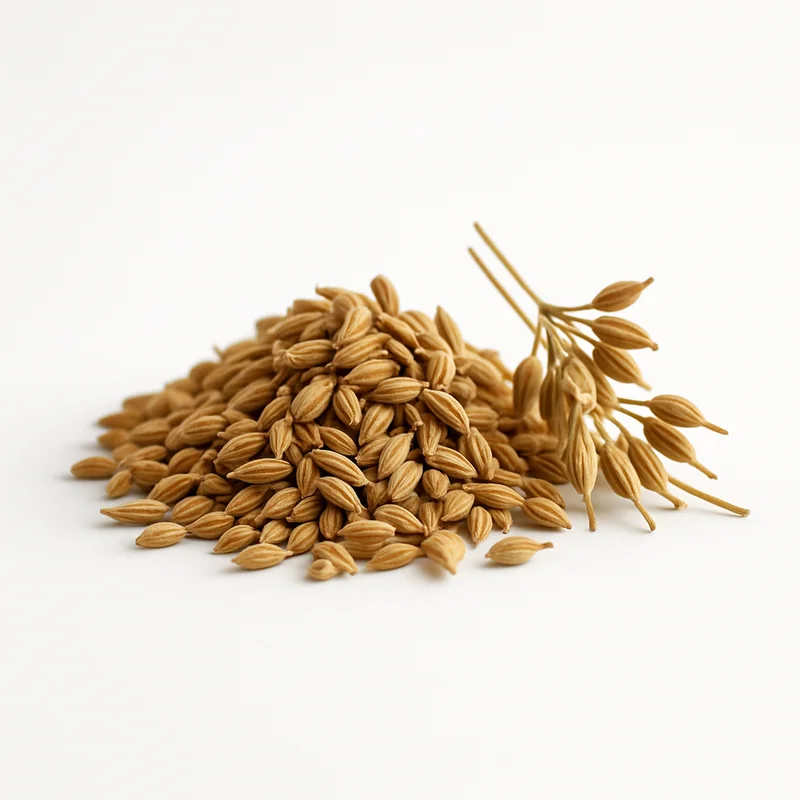
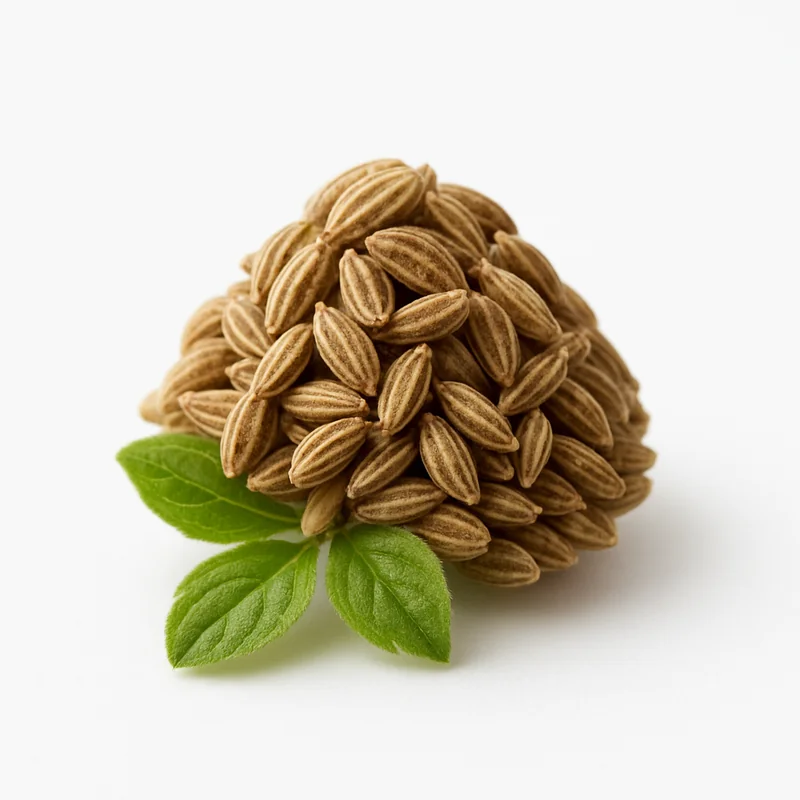


Anise Seed
Anise seed is the aromatic, licorice-flavored fruit of Pimpinella anisum, prized as a carminative digestive aid and remarkably rich in iron, calcium, and the bioactive compound anethole.
Nutrition · per ~2 g serving · ≈ a pinch
- Vitamin B60.01 mg<1% DV
- Thiamin0.01 mg<1% DV
- Vitamin C0.42 mg<1% DV
- Riboflavin0.01 mg<1% DV
- Niacin0.06 mg<1% DV
- Vitamin A6.2 iu<1% DV
- Folate0.20 mcg<1% DV
- Iron0.74 mg4% DV
- Copper0.02 mg2% DV
- Manganese0.05 mg2% DV
- Calcium12.9 mg<1% DV
- Zinc0.11 mg<1% DV
- Magnesium3.4 mg<1% DV
- Phosphorus8.8 mg<1% DV
- Potassium28.8 mg<1% DV
- Selenium0.10 mcg<1% DV
- Sodium0.32 mg<1% DV
Score · 97/100
Vitamins & minerals packed in relative to calories — the single biggest driver of the score.
How much protein it delivers, by absolute grams and per calorie.
Dietary fiber for gut health, satiety and steadier blood sugar.
Fat quality — unsaturated vs saturated, and trans-fat free.
Polyphenols, flavonoids and other beneficial plant compounds for this food group.
Low sugar with a high fiber-to-carb ratio scores best — gentler on blood sugar.
- Iron205% DV
- Copper101% DV
- Manganese100% DV
- Calcium50% DV
- Zinc48% DV
Overview
Anise seed (Pimpinella anisum) is the small, gray-brown fruit of a flowering plant in the parsley family (Apiaceae), native to the eastern Mediterranean and Southwest Asia and cultivated since antiquity. Its hallmark sweet, licorice-like aroma comes from anethole, a phenylpropanoid that comprises up to 90% of its essential oil and underlies most of its studied physiological effects. Despite being used in pinches, anise seed is strikingly nutrient-dense per 100g: roughly 37mg of iron (over 200% of the RDA), 646mg of calcium, 170mg of magnesium, and 1441mg of potassium, alongside 14.6g of fiber and 17.6g of plant protein. Traditional medicine has employed anise for millennia as a carminative to relieve bloating, gas, and colic, and modern research attributes its antispasmodic, antimicrobial, and mild estrogenic actions to anethole and supporting flavonoids and coumarins. For a longevity-oriented diet, anise functions as a low-calorie flavor amplifier that delivers concentrated minerals and antioxidant volatile oils while reducing reliance on salt and sugar. Toasting the whole seeds before grinding deepens the aroma and helps release the fat-soluble essential oils that carry its benefits.
Health Benefits (4)
- Relieves bloating, gas, and digestive crampingmoderateAnethole and related volatile oils relax gastrointestinal smooth muscle, exerting a classic carminative and antispasmodic effect that reduces intestinal gas and spasm
- Provides antimicrobial and antifungal activitymoderateThe anethole-rich essential oil disrupts microbial cell membranes, inhibiting common bacteria and fungi in laboratory studies
- Supports menstrual and lactation healthemergingAnethole exerts mild estrogen-like (phytoestrogenic) activity, the basis for traditional use in easing menstrual discomfort and supporting milk production
- Contributes meaningful iron and calcium per gramstrongExceptionally high mineral density (iron 37mg, calcium 646mg per 100g) supports oxygen transport and bone mineralization when used regularly
Food Pairings
- ·Pair with a source of fat such as olive oil or butter because anise's active anethole and volatile oils are fat-soluble, improving their extraction and absorption
- ·Combine with vitamin C-rich citrus because ascorbate enhances absorption of anise's non-heme iron
- ·Use with fennel and cardamom because their shared and complementary volatile oils create rounded, digestion-supporting flavor synergy
- ·Add to braised pork or fatty meats because the carminative oils aid digestion of rich, fatty dishes
Practical Tips
- ·Lightly toast whole anise seeds in a dry pan before grinding to deepen the sweet aroma and release fat-soluble essential oils
- ·Buy whole seeds rather than pre-ground; whole anise keeps its volatile oils for 3-4 years while ground anise fades within 6 months
- ·Steep a teaspoon of crushed seeds in hot water for 5-10 minutes as an after-meal digestive tea
- ·Store in an airtight container in a cool, dark pantry away from heat and light to preserve aroma
- ·Use sparingly; the licorice flavor is potent and a small pinch flavors a whole dish
Optimal Timing
Anise's carminative and antispasmodic effects are most useful taken with or after meals to ease digestion and reduce bloating.
Used in pinches it contributes negligible calories; anise tea is compatible with fasting windows.