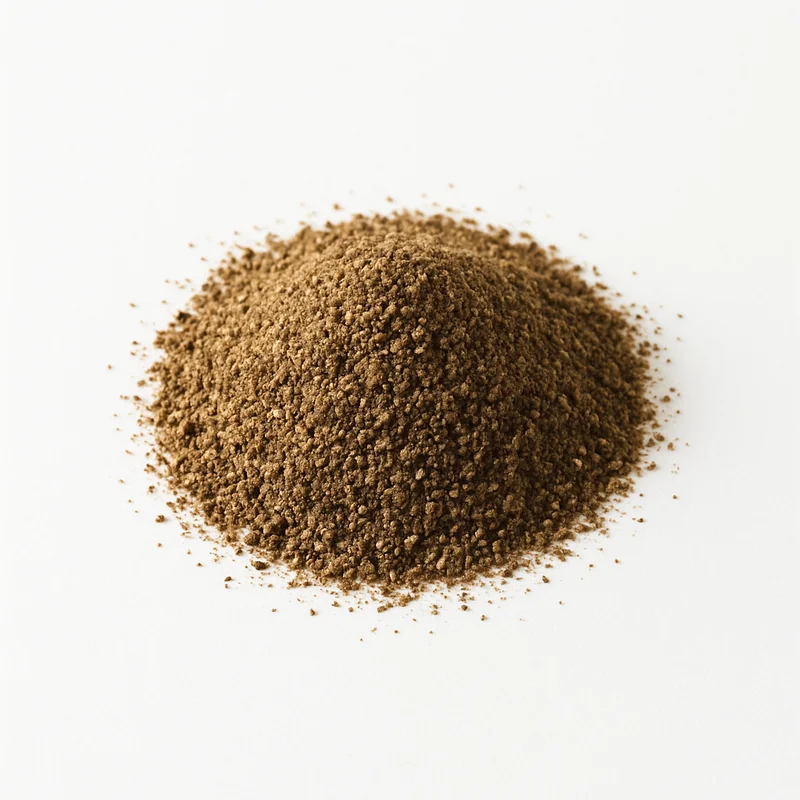
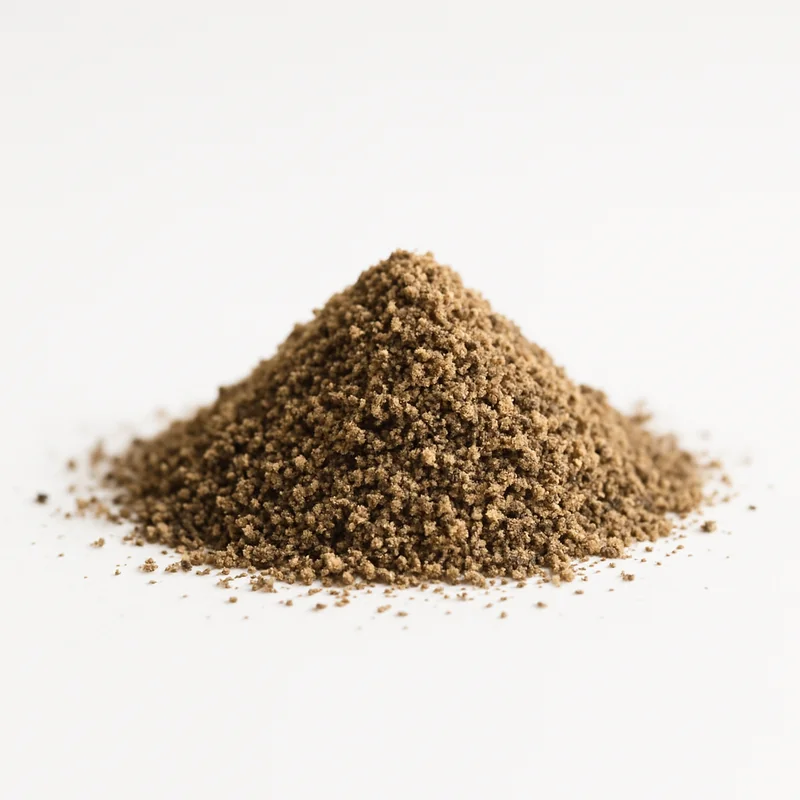
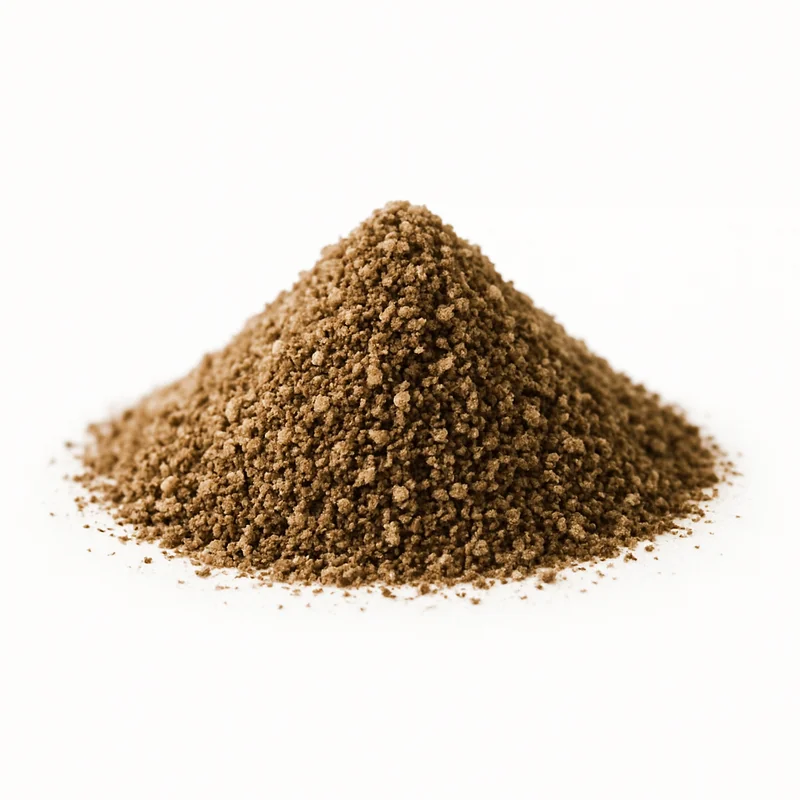
Black Pepper (Ground)
Ground black pepper is a manganese- and vitamin-K-dense spice whose alkaloid piperine boosts the absorption of many nutrients and offers anti-inflammatory benefits.
Nutrition · per ~2 g serving · ≈ a pinch
- Vitamin K3.3 mcg3% DV
- Vitamin B60.01 mg<1% DV
- Riboflavin0.00 mg<1% DV
- Vitamin A10.9 iu<1% DV
- Thiamin0.00 mg<1% DV
- Niacin0.02 mg<1% DV
- Vitamin E0.02 mg<1% DV
- Folate0.34 mcg<1% DV
- Manganese0.26 mg11% DV
- Copper0.03 mg3% DV
- Iron0.19 mg1% DV
- Magnesium3.4 mg<1% DV
- Calcium8.9 mg<1% DV
- Potassium26.6 mg<1% DV
- Phosphorus3.2 mg<1% DV
- Zinc0.02 mg<1% DV
- Selenium0.10 mcg<1% DV
- Sodium0.40 mg<1% DV
- Saturated Fat0.03 g
- Beta-carotene~0.10 mg
- Curcumin~60 mg
- Piperine~80 mg
- Polyphenols~3.0 mg
Score · 97/100
Vitamins & minerals packed in relative to calories — the single biggest driver of the score.
How much protein it delivers, by absolute grams and per calorie.
Dietary fiber for gut health, satiety and steadier blood sugar.
Fat quality — unsaturated vs saturated, and trans-fat free.
Polyphenols, flavonoids and other beneficial plant compounds for this food group.
Low sugar with a high fiber-to-carb ratio scores best — gentler on blood sugar.
- Manganese554% DV
- Copper148% DV
- Vitamin K136% DV
- Iron54% DV
- Magnesium41% DV
Overview
Black pepper (Piper nigrum), the dried unripe fruit of a tropical Asian vine native to the Malabar coast of India, is the world's most-traded spice and a genuine functional food. Per 100 g of ground pepper there are about 251 kcal, 10.4 g protein, 64 g carbohydrate, 3.3 g fat and an exceptional 25 g of dietary fiber. Its mineral profile is striking: roughly 12.7 mg manganese (over 500% DV), 9.7 mg iron, 171 mg magnesium, 1329 mg potassium, 443 mg calcium and 1.3 mg copper, alongside 163 mcg of vitamin K and a spread of B-vitamins. The defining bioactive is piperine, the pungent alkaloid (3-9% of the fruit by weight) responsible both for pepper's heat and for its best-documented benefit: piperine inhibits intestinal and hepatic glucuronidation and the P-glycoprotein efflux pump, sharply raising the bioavailability of compounds such as curcumin, beta-carotene, selenium and certain B-vitamins. Pepper also carries piperidine alkaloids and antioxidant polyphenols that scavenge free radicals and modulate inflammatory signaling. Because culinary servings are small (a heaped teaspoon is ~2.3 g), the headline per-100g numbers translate to modest absolute intakes, but pepper's value lies less in bulk nutrition than in its role as a daily, low-calorie bioavailability enhancer and digestive stimulant that earns its place in a longevity-minded kitchen.
Health Benefits (4)
- Enhances absorption of other nutrients and phytochemicalsstrongPiperine inhibits UDP-glucuronosyltransferase, CYP3A4 and the P-glycoprotein efflux transporter in the gut and liver, slowing the clearance of co-ingested compounds; it raises curcumin bioavailability roughly 20-fold and increases uptake of beta-carotene, selenium and several B-vitamins
- Stimulates digestion and gastric secretionmoderatePiperine activates TRPV1 receptors and increases salivary, gastric and pancreatic enzyme secretion plus bile flow, improving the breakdown and assimilation of dietary fat and protein
- Provides antioxidant and anti-inflammatory activitymoderatePiperine and pepper polyphenols scavenge reactive oxygen species and downregulate NF-κB and pro-inflammatory cytokines, reducing oxidative and inflammatory load
- Supports bone and connective-tissue maintenancemoderateHigh manganese is a cofactor for glycosyltransferases in cartilage formation and for antioxidant superoxide dismutase, while vitamin K activates osteocalcin to bind calcium into bone matrix
Food Pairings
- ·Pair with turmeric because piperine increases curcumin absorption roughly 20-fold by blocking its rapid glucuronidation
- ·Combine with olive oil or fatty dishes because pepper's volatile alkaloids are lipophilic and fat improves their delivery alongside fat-soluble nutrients
- ·Use with carotenoid-rich vegetables like carrots or sweet potato because piperine enhances beta-carotene uptake
Practical Tips
- ·Grind whole peppercorns fresh just before use; piperine and aromatic terpenes degrade and oxidize within weeks of grinding
- ·Add pepper toward the end of cooking, as prolonged high heat volatilizes piperine and dulls both flavor and bioactivity
- ·Pair a pinch of pepper with turmeric in the same dish or smoothie to unlock curcumin's bioavailability
- ·Store ground pepper in an airtight jar away from light and heat to preserve its alkaloid content
Optimal Timing
Pepper is most useful taken alongside meals so piperine can enhance the absorption of co-eaten nutrients and stimulate digestion; it has no circadian dependency.
Culinary amounts are negligible in calories and compatible with fasting; very large doses may irritate sensitive stomachs.
