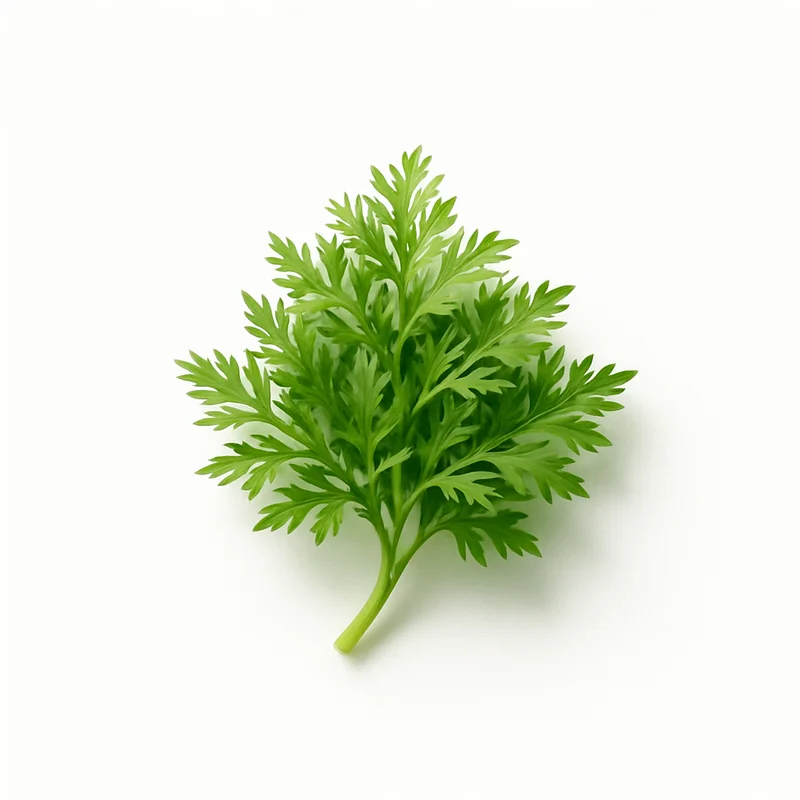
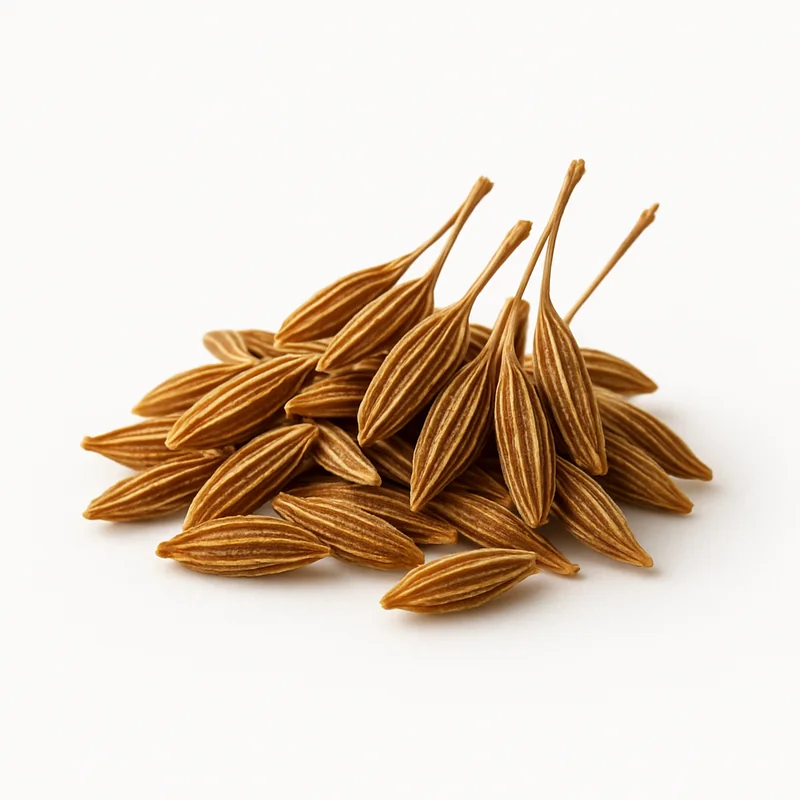
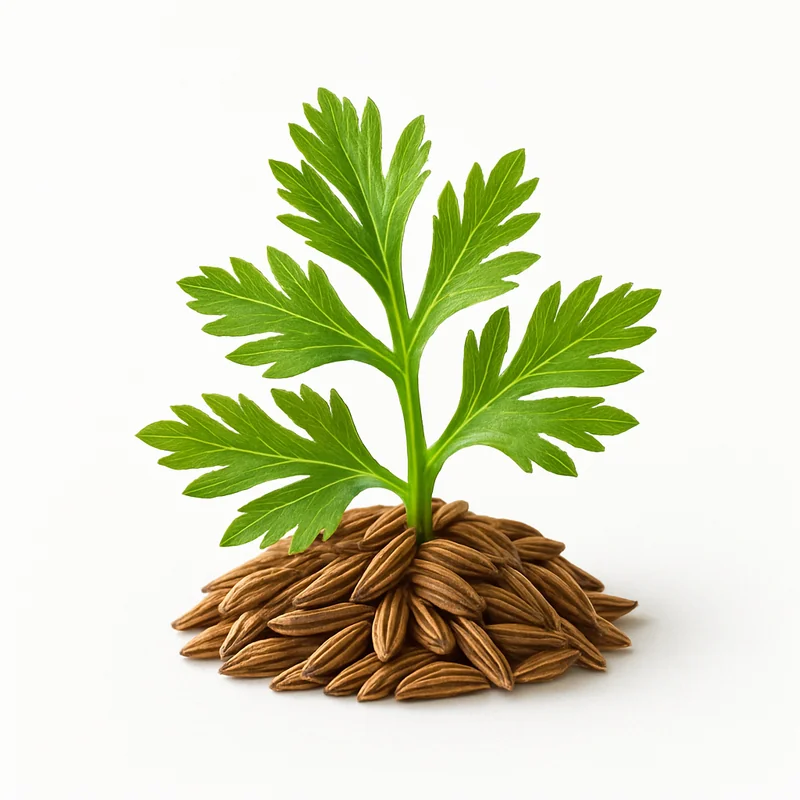
Caraway seed is the warm, carvone-rich fruit of Carum carvi, a high-protein, high-fiber spice central to rye bread and sauerkraut with strong clinical evidence as a carminative for functional dyspepsia.
Vitamins & minerals packed in relative to calories — the single biggest driver of the score.
How much protein it delivers, by absolute grams and per calorie.
Dietary fiber for gut health, satiety and steadier blood sugar.
Fat quality — unsaturated vs saturated, and trans-fat free.
Polyphenols, flavonoids and other beneficial plant compounds for this food group.
Low sugar with a high fiber-to-carb ratio scores best — gentler on blood sugar.
Caraway seed (Carum carvi) is the dried, curved, dark-brown fruit of a biennial herb in the carrot family (Apiaceae), native to Europe and western Asia. Its warm, sharp, slightly anise-and-citrus flavor is driven by carvone and limonene, the dominant compounds in its essential oil. Often confused by appearance with cumin, caraway tastes quite different and is the signature spice of rye and pumpernickel bread, sauerkraut, and the Scandinavian spirit aquavit. Nutritionally it ranks among the most protein-dense culinary seeds at nearly 20g per 100g, with 38g of fiber, 689mg of calcium, 258mg of magnesium, 568mg of phosphorus, and notable selenium. Long used across European folk medicine as a carminative, caraway has some of the best clinical support of any culinary spice for digestion: caraway-oil combinations, often with peppermint, relieve functional dyspepsia, bloating, and IBS-type discomfort by relaxing gastrointestinal smooth muscle. The seeds also supply antioxidant flavonoids such as quercetin. For longevity-minded cooking, caraway adds bold flavor and concentrated minerals and protein while supporting digestive comfort.
Caraway's clinical digestive benefits are realized when consumed with meals, supporting comfort during and after eating.
Used in cooking amounts it adds negligible calories and does not break a fast.
