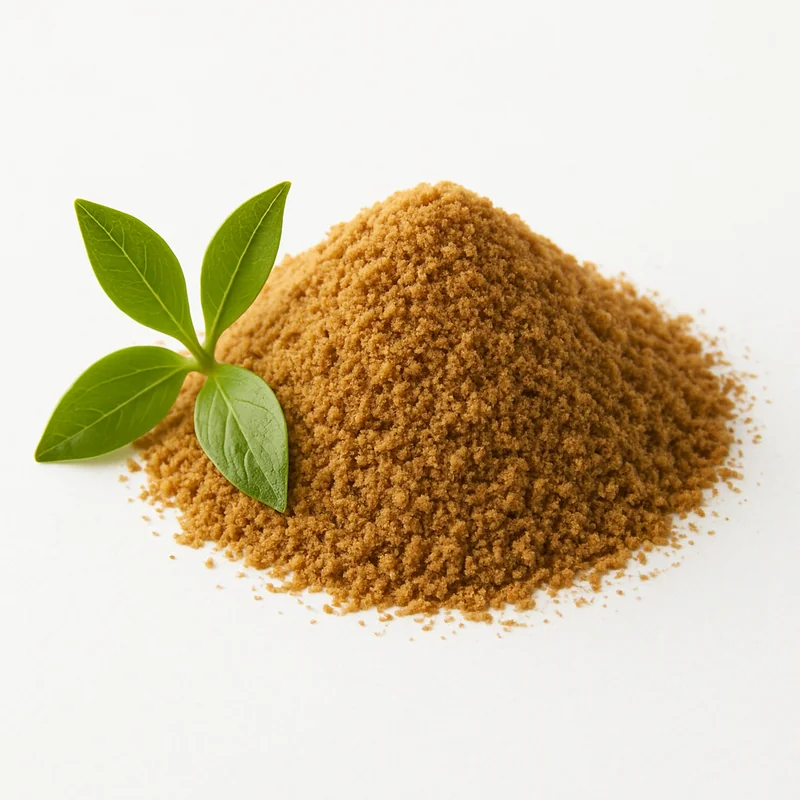
Cardamom (Ground)
Ground cardamom is an intensely aromatic pod spice exceptionally rich in manganese, with cineole-driven digestive, antioxidant, and cardiovascular benefits.
Nutrition · per ~2 g serving · ≈ a pinch
- Vitamin C0.42 mg<1% DV
- Riboflavin0.00 mg<1% DV
- Vitamin B60.00 mg<1% DV
- Niacin0.02 mg<1% DV
- Manganese0.56 mg24% DV
- Iron0.28 mg2% DV
- Zinc0.15 mg1% DV
- Magnesium4.6 mg1% DV
- Copper0.01 mg<1% DV
- Calcium7.7 mg<1% DV
- Potassium22.4 mg<1% DV
- Phosphorus3.6 mg<1% DV
- Sodium0.36 mg<1% DV
- Saturated Fat0.01 g
- Polyphenols~3.0 mg
Score · 97/100
Vitamins & minerals packed in relative to calories — the single biggest driver of the score.
How much protein it delivers, by absolute grams and per calorie.
Dietary fiber for gut health, satiety and steadier blood sugar.
Fat quality — unsaturated vs saturated, and trans-fat free.
Polyphenols, flavonoids and other beneficial plant compounds for this food group.
Low sugar with a high fiber-to-carb ratio scores best — gentler on blood sugar.
- Manganese1217% DV
- Iron78% DV
- Zinc68% DV
- Magnesium55% DV
- Copper43% DV
Overview
Cardamom (Elettaria cardamomum) is the ground seed of small green pods from a ginger-family plant native to the forests of southern India, prized as one of the world's most expensive spices for its intense, complex aroma. Its dominant bioactive is 1,8-cineole (eucalyptol), a monoterpene that drives its penetrating fragrance and much of its digestive, bronchodilatory, and antimicrobial activity, supported by alpha-terpinyl acetate, limonene, and flavonoid antioxidants. Ground cardamom is concentrated at about 311 kcal per 100g, providing 11g protein, 68g carbohydrate (28g of it fiber), and 6.7g fat. Its mineral profile is led by an exceptional 28mg manganese per 100g—one of the richest dietary sources of any food—along with 13.97mg iron, 383mg calcium, 229mg magnesium, 1119mg potassium, 7.5mg zinc, and 0.38mg copper. It also supplies vitamin C, niacin, and riboflavin. The longevity thesis centers on cardamom's antioxidant flavonoids and cineole, with human and animal studies suggesting blood-pressure-lowering, antioxidant-boosting, and lipid-improving effects, plus traditional use as a carminative and breath freshener. Typical culinary doses are small—often under 1g—given its potency. Freshly ground seeds far outperform pre-ground powder in aroma.
Health Benefits (4)
- Supports cardiovascular health and blood pressuremoderateCardamom's antioxidants and diuretic action have lowered systolic and diastolic blood pressure and boosted antioxidant status in human trials
- Aids digestion and freshens breathmoderateCineole and terpenes stimulate digestive secretions, relieve gas and bloating, and provide antimicrobial action in the mouth
- Provides antioxidant and anti-inflammatory protectionmoderateFlavonoids and cineole scavenge free radicals and downregulate inflammatory enzymes
- Delivers exceptional manganese for metabolism and bone healthstrongVery high manganese (28mg/100g) cofactors antioxidant enzymes (Mn-SOD) and supports connective-tissue and bone formation
Food Pairings
- ·Pair with coffee or chai because cardamom's cineole complements caffeine's bitterness and adds aromatic complexity without sugar
- ·Combine with rice and milk-based desserts because its fat- and water-soluble terpenes infuse both phases evenly
- ·Add to lentil and meat curries because its warm aroma rounds rich, fatty dishes and aids their digestion
Practical Tips
- ·Buy whole green pods and grind the seeds fresh; pre-ground cardamom loses its volatile cineole within weeks
- ·Lightly crush pods to release seeds and discard the fibrous husk before grinding
- ·Use sparingly—its potency means a little goes a long way in both sweet and savory dishes
- ·Store pods or ground seed airtight and cool to slow loss of aromatic essential oils
Optimal Timing
Cardamom's bioactives have no circadian dependency and it is commonly enjoyed after meals as a digestive and breath freshener.
Negligible calories at culinary doses.
