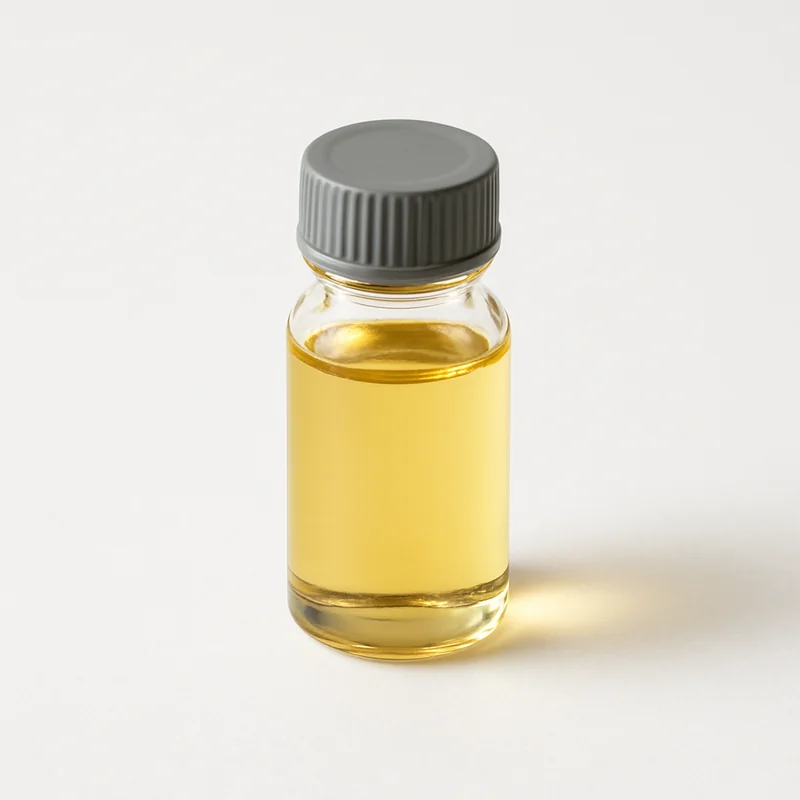
Coconut Oil
Coconut oil is a plant-based fat extracted from coconut meat, composed primarily of medium-chain triglycerides (MCTs) and saturated fats. It is valued in longevity nutrition for its unique fatty acid profile and potential metabolic effects.
Nutrition · per ~14 g serving · ≈ 1 tbsp
- Vitamin E0.01 mg<1% DV
- Vitamin K0.07 mcg<1% DV
- Saturated Fat11.6 g
Score · 11/100
Vitamins & minerals packed in relative to calories — the single biggest driver of the score.
How much protein it delivers, by absolute grams and per calorie.
Dietary fiber for gut health, satiety and steadier blood sugar.
Fat quality — unsaturated vs saturated, and trans-fat free.
Polyphenols, flavonoids and other beneficial plant compounds for this food group.
Low sugar with a high fiber-to-carb ratio scores best — gentler on blood sugar.
- Vitamin E1% DV
- Vitamin K0% DV
Overview
Coconut oil originates from the coconut palm (Cocos nucifera), native to tropical regions and now cultivated widely across Southeast Asia, India, and the Pacific. Unlike most dietary oils, coconut oil contains approximately 60% medium-chain triglycerides (MCTs)—particularly lauric acid—which are metabolized differently than long-chain fats. MCTs are absorbed directly into the portal blood and rapidly utilized for energy or ketone production, bypassing lymphatic absorption. While coconut oil is calorie-dense (862 kcal/100g) and 82.5g saturated fat per 100g, emerging evidence suggests MCTs may support metabolic flexibility and cognitive function. However, the saturated fat content warrants moderate consumption, particularly for cardiovascular health. Virgin coconut oil retains phenolic compounds and antioxidants lost in refined versions. For longevity-focused nutrition, coconut oil is best used as a strategic supplement rather than a primary fat source, particularly beneficial during intermittent fasting or ketogenic approaches where MCT utilization is optimized.
Health Benefits (4)
- Enhanced ketone body production for brain fuel and metabolic flexibilitymoderateMedium-chain triglycerides bypass normal digestion and are rapidly converted by the liver into ketones, which the brain can use as an alternative fuel source, potentially supporting cognitive performance and metabolic adaptation
- Potential support for satiety and reduced caloric intakemoderateMCTs trigger faster satiation signals and may increase thermogenesis (calorie burn during digestion) more than long-chain fats, supporting weight management when used strategically
- Antimicrobial and anti-inflammatory effects from lauric acidemergingLauric acid (50% of coconut oil's fatty acid content) is converted to monolaurin in the body, which exhibits antimicrobial and immune-modulating properties
- Support for HDL cholesterol levelsmoderateMCTs and medium-chain saturated fats preferentially increase HDL (protective cholesterol) without the same LDL-raising effect as longer-chain saturated fats
Food Pairings
- ·Pair with turmeric in golden milk because curcumin is fat-soluble and MCTs enhance absorption of this anti-inflammatory compound
- ·Combine with blueberries in smoothies because MCTs support ketone production while anthocyanins from berries provide antioxidant synergy for brain health
- ·Mix with coffee or tea during fasting windows because MCTs provide quick energy without breaking metabolic benefits of intermittent fasting
- ·Use in curry preparations with black pepper because piperine enhances nutrient bioavailability and MCTs aid fat-soluble nutrient absorption
Practical Tips
- ·Choose virgin or extra-virgin coconut oil over refined versions to retain polyphenols and antioxidants; store in a cool, dark place as it oxidizes faster than other oils
- ·Limit to 1-2 tablespoons (14-28g) daily as part of total fat intake to manage caloric density and saturated fat consumption
- ·Start with small amounts (1 teaspoon) if new to MCTs, as rapid ketone production can cause temporary digestive adjustment or 'keto flu' symptoms
- ·Use for low-to-medium heat cooking only (smoking point ~350°F); reserve for smoothies, coffee, or drizzling rather than high-heat frying
Optimal Timing
MCTs provide rapid energy and ketone production optimal before exercise for sustained performance without glucose; also beneficial during fasting windows for cognitive support without breaking metabolic state
- · Post-workout (when glucose-based carbohydrates are more beneficial for glycogen replenishment)
Coconut oil is technically compatible with fasting protocols as MCTs don't significantly trigger insulin response, though some practitioners argue any caloric intake breaks fasting benefits
Concerns
- · Very high saturated fat
