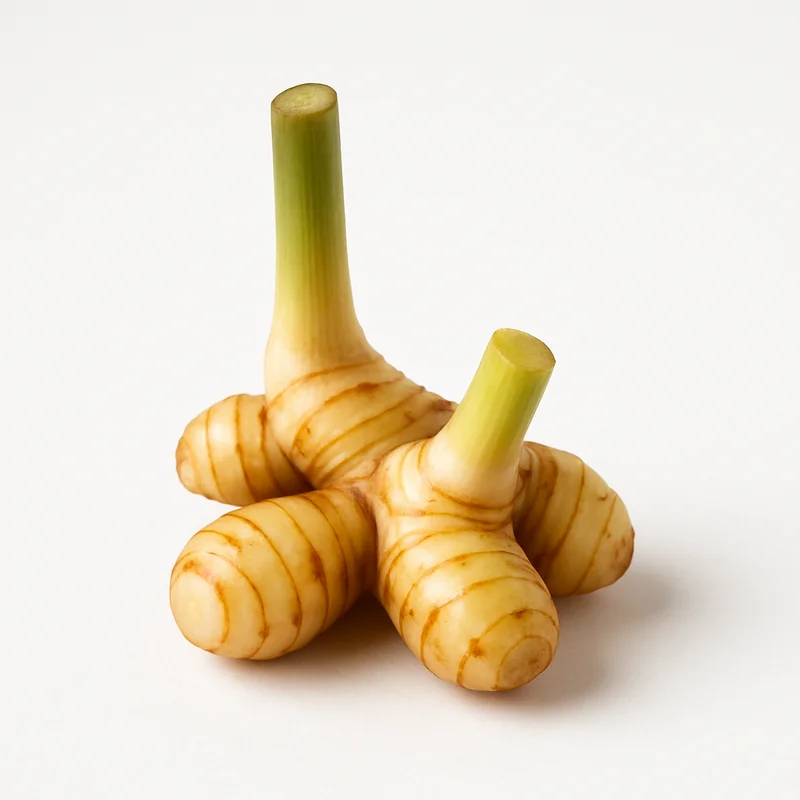
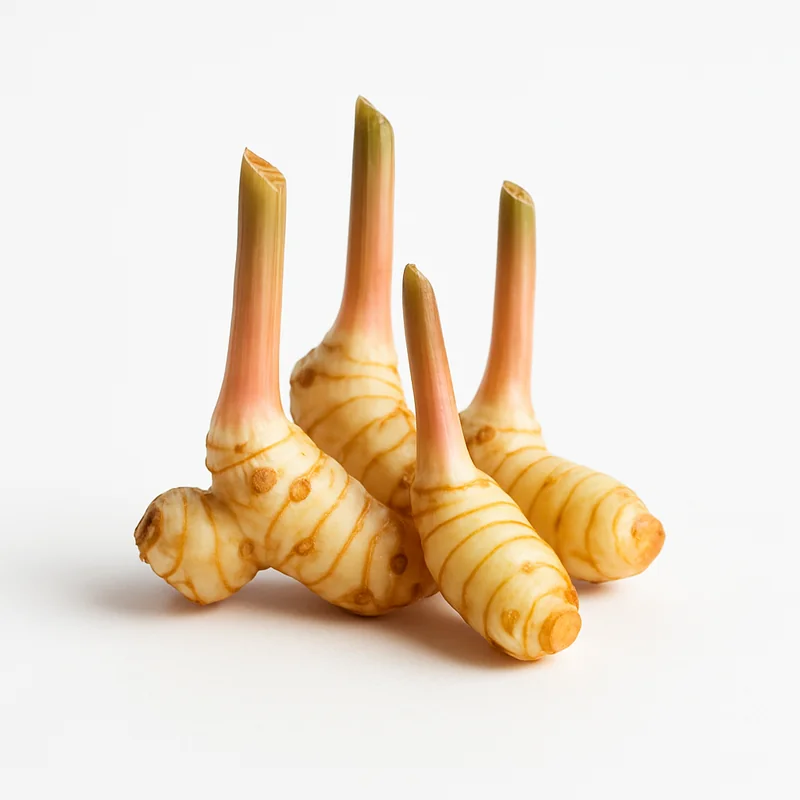
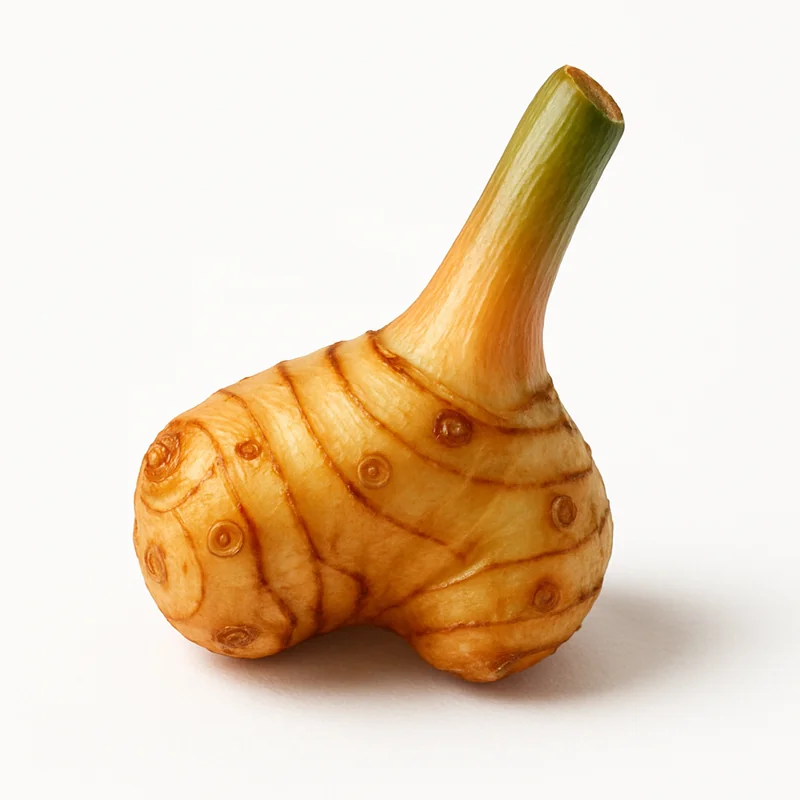
Galangal — image 1 of 3Galangal — image 2 of 3Galangal — image 3 of 3
Herbs & Spices

Galangal

97/ 100
Also known as: greater galangal, alpinia galanga, thai ginger, blue ginger

Galangal is an aromatic ginger-family rhizome rich in galangin and acetoxychavicol acetate, offering anti-inflammatory and antimicrobial benefits.

Nutrition · per ~2 g serving · ≈ a pinch

🔥 Calories
7/ 2000 kcal day
🥩Protein0.2 g<1% DV
🍞Carbs1.4 g<1% DV
🥑Fat0.1 g<1% DV
🌿Fiber0.3 g<1% DV
1g net carbs · carbs − fiber
Vitamins
  • Niacin0.10 mg<1% DV
  • Vitamin B60.01 mg<1% DV
  • Vitamin C0.10 mg<1% DV
Minerals
  • Manganese0.36 mg16% DV
  • Iron0.24 mg1% DV
  • Copper0.01 mg<1% DV
  • Magnesium3.6 mg<1% DV
  • Potassium22.0 mg<1% DV
  • Zinc0.05 mg<1% DV
  • Phosphorus3.0 mg<1% DV

Score · 97/100

Nutrient Density35.0 / 35

Vitamins & minerals packed in relative to calories — the single biggest driver of the score.

Protein Quality7.8 / 15

How much protein it delivers, by absolute grams and per calorie.

Fiber Content10.0 / 10

Dietary fiber for gut health, satiety and steadier blood sugar.

Healthy Fats5.0 / 10

Fat quality — unsaturated vs saturated, and trans-fat free.

Bioactives13.5 / 15

Polyphenols, flavonoids and other beneficial plant compounds for this food group.

Glycemic Impact10.0 / 10

Low sugar with a high fiber-to-carb ratio scores best — gentler on blood sugar.

Top Nutrients
  • Manganese783% DV
  • Iron67% DV
  • Copper44% DV
  • Magnesium43% DV
  • Niacin31% DV

Overview

Galangal (Alpinia galanga), sometimes called Thai ginger or blue ginger, is an aromatic rhizome central to Southeast Asian cuisine and traditional medicine. Dried and milled it concentrates to an estimated 330 kcal per 100g, with its pharmacology driven by galangin, a flavonol with antioxidant and anti-proliferative activity, alongside 1'-acetoxychavicol acetate (ACA) and gingerol-related diarylheptanoids that share ginger's anti-inflammatory chemistry. Conservatively it supplies meaningful manganese (around 18 mg per 100g), iron, magnesium, and potassium, reflecting its dense rhizome structure. Mechanistically, galangin scavenges free radicals and modulates inflammatory enzymes, while ACA exhibits notable antimicrobial and chemopreventive activity in laboratory studies. Galangal's sharper, more citrus-pine aroma distinguishes it from common ginger, and its volatile oils are best preserved by adding it toward the end of cooking. As a functional spice it offers ginger-family benefits with a distinctive bioactive flavonol profile.

Health Benefits (3)

  • Reduces inflammation and oxidative stress
    moderate
    Galangin and diarylheptanoids inhibit inflammatory enzymes and scavenge reactive oxygen species
  • Provides antimicrobial activity
    limited
    1'-acetoxychavicol acetate disrupts microbial membranes and enzyme function
  • Supports digestion
    limited
    Aromatic volatile oils and pungent compounds stimulate digestive secretions and motility

Food Pairings

  • ·Pair with lemongrass and coconut milk because the fat carries galangal's fat-soluble flavonols and balances its sharp aroma
  • ·Combine with chili and lime in Thai soups because the acidity brightens galangal's pine-citrus notes

Practical Tips

  • ·Rehydrate dried galangal or add it late in cooking to preserve heat-sensitive volatile oils
  • ·Use sparingly as a ginger substitute—galangal is sharper and more peppery than common ginger

Optimal Timing

🕒
anytime
Fasting-compatible

Galangal's bioactives have no circadian dependency and are consumed as a culinary spice.

Negligible calories per culinary serving; compatible with fasting.

Systems supported

body systems this food feeds

Pathways supported

biochemical reactions enabled by this food