Ground Ginger
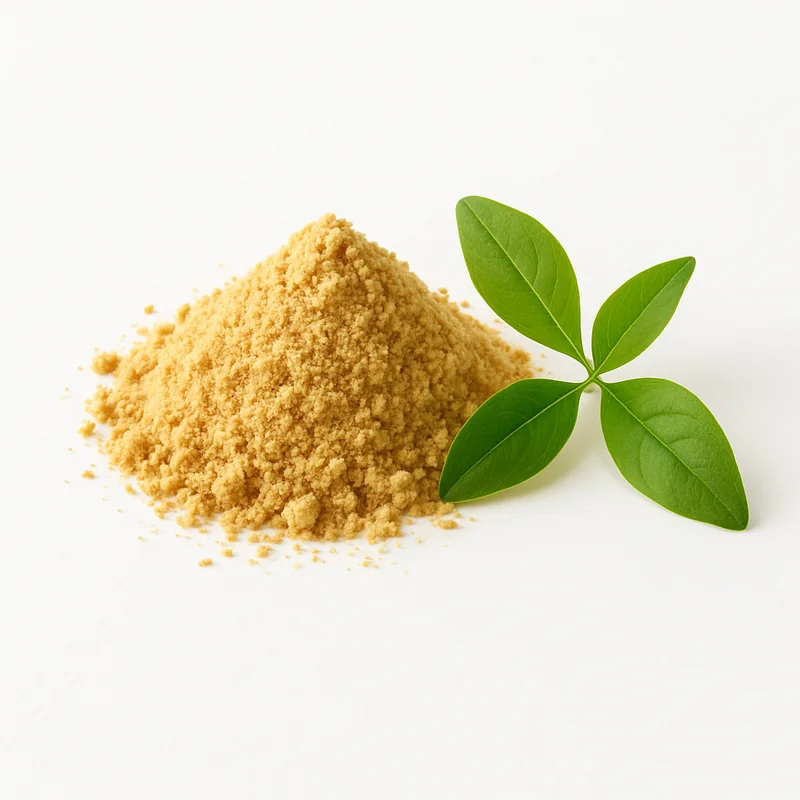
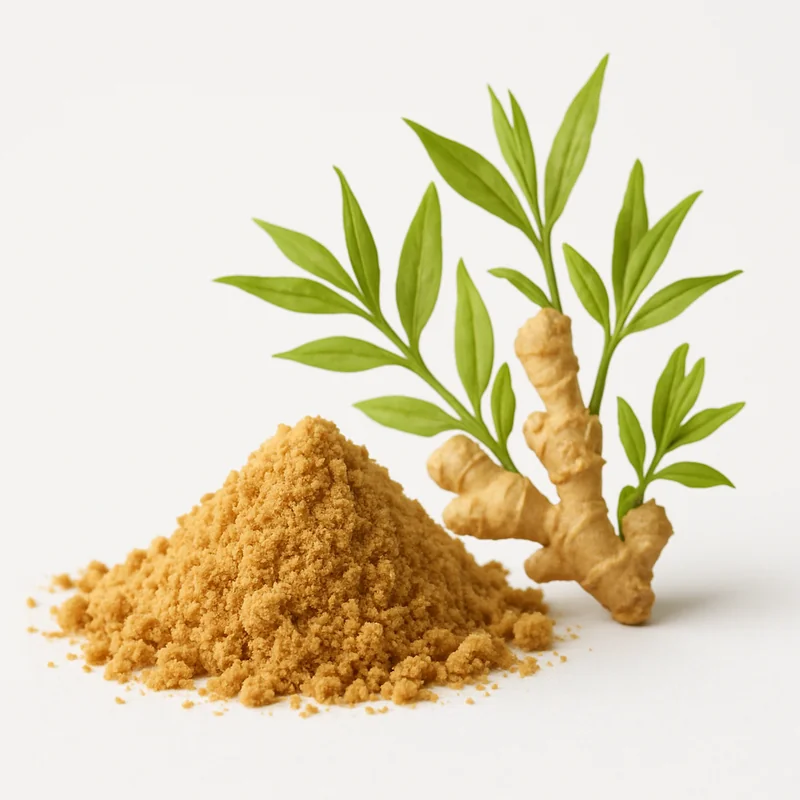
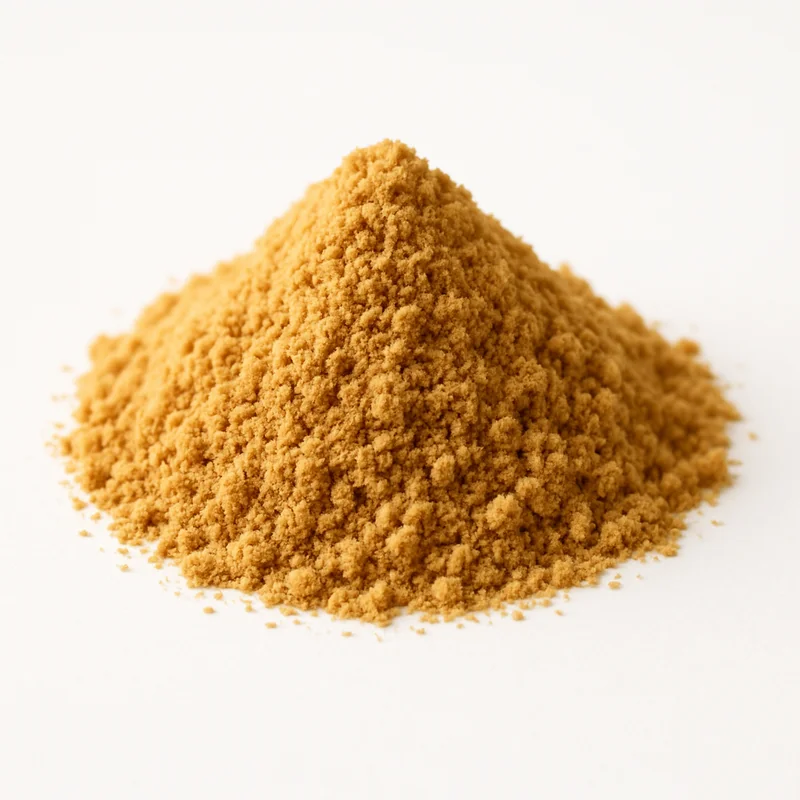
Ground ginger is dried, milled ginger rhizome rich in gingerol and shogaol, with potent anti-nausea, anti-inflammatory, and digestive benefits.
Nutrition · per ~2 g serving · ≈ a pinch
- Niacin0.19 mg1% DV
- Vitamin B60.01 mg<1% DV
- Riboflavin0.00 mg<1% DV
- Pantothenic Acid0.01 mg<1% DV
- Thiamin0.00 mg<1% DV
- Folate0.26 mcg<1% DV
- Vitamin C0.01 mg<1% DV
- Manganese0.67 mg29% DV
- Iron0.40 mg2% DV
- Selenium1.1 mcg2% DV
- Copper0.01 mg1% DV
- Magnesium4.3 mg1% DV
- Zinc0.07 mg<1% DV
- Potassium26.4 mg<1% DV
- Phosphorus3.4 mg<1% DV
- Calcium2.3 mg<1% DV
- Sodium0.54 mg<1% DV
- Saturated Fat0.05 g
- Gingerols~1.6 mg
- Polyphenols~3.0 mg
Score · 98/100
Vitamins & minerals packed in relative to calories — the single biggest driver of the score.
How much protein it delivers, by absolute grams and per calorie.
Dietary fiber for gut health, satiety and steadier blood sugar.
Fat quality — unsaturated vs saturated, and trans-fat free.
Polyphenols, flavonoids and other beneficial plant compounds for this food group.
Low sugar with a high fiber-to-carb ratio scores best — gentler on blood sugar.
- Manganese1448% DV
- Iron110% DV
- Selenium102% DV
- Niacin60% DV
- Copper53% DV
Overview
Ground ginger (Zingiber officinale) is the dried, milled rhizome, concentrated to roughly 335 kcal per 100g. Its defining bioactives are gingerols and—formed when fresh gingerol dehydrates during drying—shogaols, the pungent phenolics responsible for ginger's warming heat and much of its pharmacology. Drying actually amplifies shogaol content, which is the more potent anti-inflammatory and the form most studied for nausea relief. Mineral density is exceptional: about 33 mg manganese per 100g (one of the richest dietary sources), nearly 20 mg iron, 214 mg magnesium, and 1,320 mg potassium, with meaningful niacin and vitamin B6. Mechanistically, gingerols and shogaols inhibit COX and 5-LOX inflammatory pathways, modulate serotonergic 5-HT3 receptors implicated in nausea, accelerate gastric emptying, and act as antioxidants. The clinical evidence for ginger in motion sickness, pregnancy nausea, and post-operative nausea is among the strongest of any culinary spice. A teaspoon stirred into tea, baking, or savory dishes delivers a concentrated dose of these warming phenolics.
Health Benefits (3)
- Relieves nausea and motion sicknessstrongGingerols and shogaols antagonize 5-HT3 serotonin receptors and accelerate gastric emptying, reducing nausea signaling
- Reduces inflammation and exercise-related muscle painmoderateGingerols and shogaols inhibit COX and 5-lipoxygenase enzymes, lowering prostaglandin and leukotriene production
- Supports digestion and circulationmoderatePungent phenolics stimulate digestive motility and promote peripheral vasodilation
Food Pairings
- ·Pair with turmeric because gingerol and curcumin offer complementary anti-inflammatory pathway inhibition
- ·Combine with lemon and honey in tea because the acidity and warmth enhance ginger's digestive and soothing effects
Practical Tips
- ·Use ground ginger for a more concentrated, shogaol-rich heat than fresh, ideal for baking and spice blends
- ·Pair with a small amount of fat or oil, as gingerols are fat-soluble and better absorbed with lipids
Optimal Timing
Ginger can be taken before travel or meals for nausea and digestion, but its bioactives benefit from regular intake without circadian constraints.
Take 30-60 minutes before travel to pre-empt motion sickness; negligible calories per serving.
