Italian Seasoning
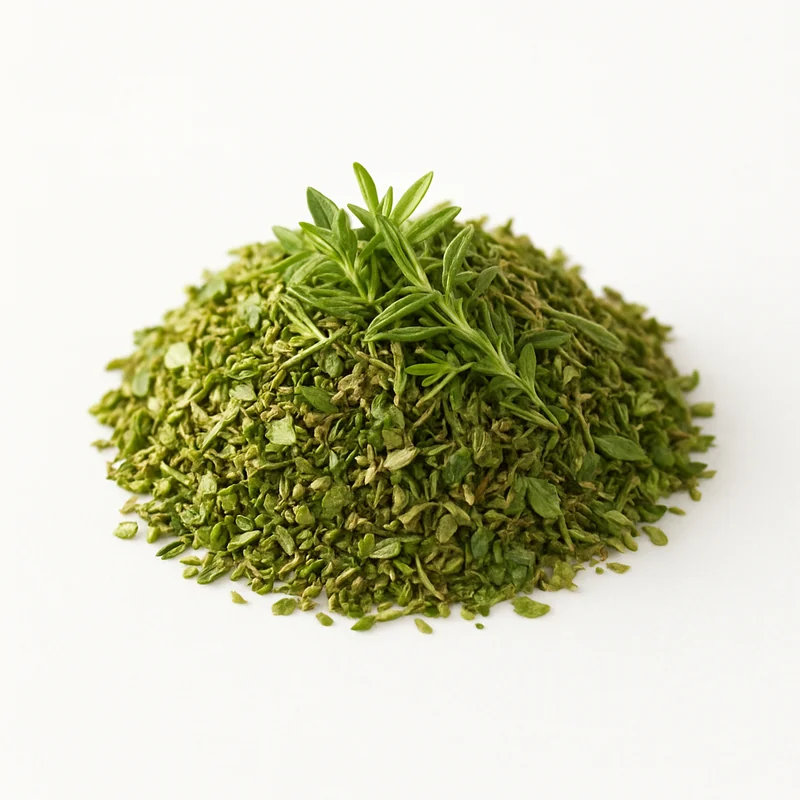
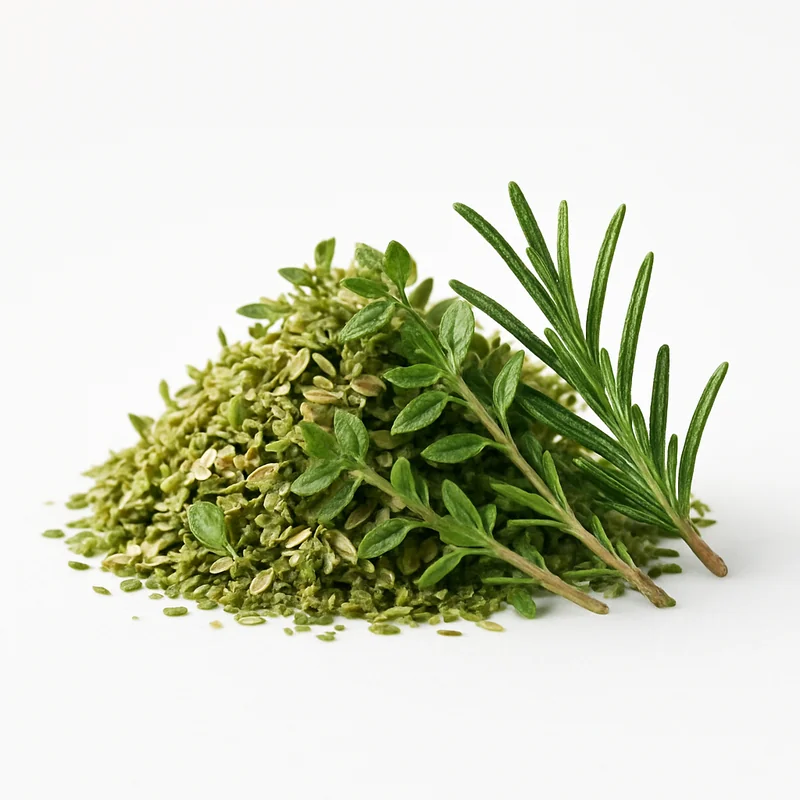
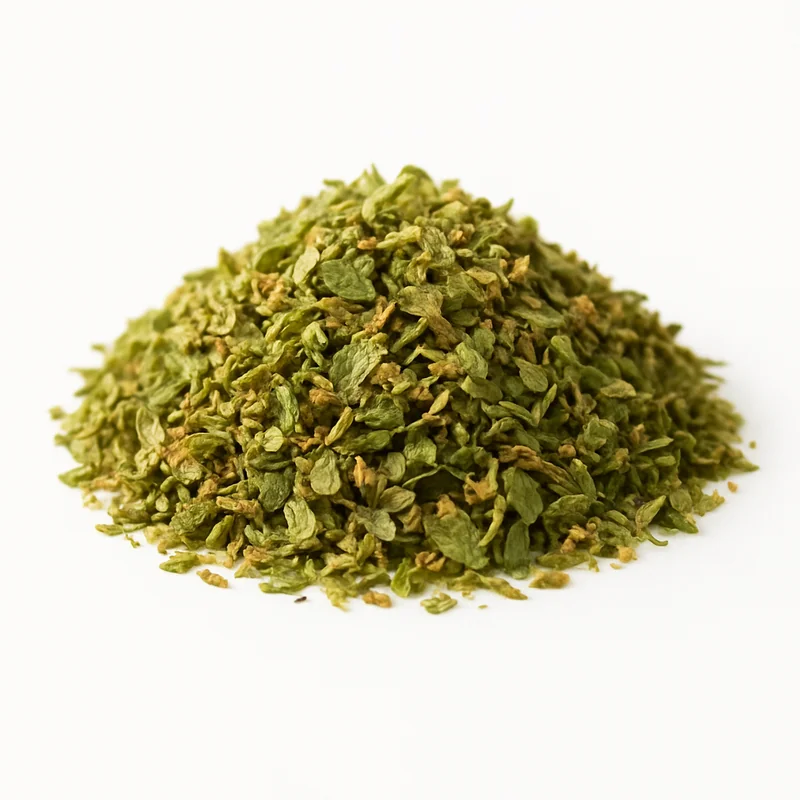
Italian seasoning is a dried-herb blend of oregano, basil, thyme, rosemary, and marjoram, exceptionally rich in calcium, vitamin K, and iron and dense in carvacrol, thymol, and rosmarinic acid.
Nutrition · per ~2 g serving · ≈ a pinch
- Vitamin K30.0 mcg25% DV
- Vitamin A100.0 iu2% DV
- Vitamin E0.24 mg2% DV
- Vitamin B60.02 mg1% DV
- Folate5.0 mcg1% DV
- Riboflavin0.01 mg<1% DV
- Niacin0.10 mg<1% DV
- Vitamin C0.36 mg<1% DV
- Thiamin0.00 mg<1% DV
- Manganese0.16 mg7% DV
- Iron0.80 mg4% DV
- Calcium34.0 mg3% DV
- Copper0.02 mg2% DV
- Magnesium5.6 mg1% DV
- Zinc0.08 mg<1% DV
- Potassium28.0 mg<1% DV
- Phosphorus5.0 mg<1% DV
- Selenium0.09 mcg<1% DV
- Sodium0.80 mg<1% DV
- Saturated Fat0.05 g
- Polyphenols~3.0 mg
Score · 97/100
Vitamins & minerals packed in relative to calories — the single biggest driver of the score.
How much protein it delivers, by absolute grams and per calorie.
Dietary fiber for gut health, satiety and steadier blood sugar.
Fat quality — unsaturated vs saturated, and trans-fat free.
Polyphenols, flavonoids and other beneficial plant compounds for this food group.
Low sugar with a high fiber-to-carb ratio scores best — gentler on blood sugar.
- Vitamin K1250% DV
- Manganese348% DV
- Iron222% DV
- Calcium131% DV
- Copper111% DV
Overview
Italian seasoning is the dried-herb shorthand for the Mediterranean kitchen, a balanced mix of oregano, basil, thyme, rosemary, and marjoram that flavors tomato sauces, roasted vegetables, marinades, and pizza. Unlike the seed-and-bark spice blends, it is built entirely from aromatic leaves, which changes its nutritional character: it is among the richest seasonings for calcium (~1,700 mg per 100 g) and vitamin K (~1,500 mcg), with strong iron (~40 mg), manganese, and potassium and a high fiber content typical of dried greens, at about 300 kcal per 100 g. Its true distinction is antioxidant density. Dried oregano and thyme are dominated by carvacrol and thymol, two of the most potent phenolic monoterpenes in the food supply, while rosemary and basil contribute rosmarinic and carnosic acids and a broad flavonoid fraction. Gram for gram, dried culinary herbs sit at the very top of ORAC antioxidant rankings, and Italian seasoning concentrates several of them at once. Used by the pinch, its micronutrient delivery in practice is small, but it reliably adds a meaningful antioxidant layer to everyday cooking.
Health Benefits (3)
- Delivers exceptional per-gram antioxidant capacitymoderateCarvacrol, thymol, rosmarinic acid, and carnosic acid scavenge free radicals and inhibit lipid peroxidation, placing dried herbs at the top of ORAC rankings
- Supports bone health and vascular calcification preventionmoderateHigh vitamin K activates osteocalcin and matrix Gla protein, directing calcium to bone while preventing pathological arterial calcification
- Reduces inflammatory signalingmoderateRosmarinic acid and the herb phenolics inhibit NF-κB and pro-inflammatory cytokine expression
Food Pairings
- ·Pair with olive oil because the herb polyphenols and carnosic acid are fat-soluble
- ·Combine with tomatoes where the herbs' volatile oils complement lycopene
- ·Add to roasted vegetables and lean proteins to layer in antioxidant herbs without calories
Practical Tips
- ·Crush dried herbs between your fingers before adding to release their volatile oils
- ·Add early enough to rehydrate in sauces but bloom in oil for raw dressings
- ·Store airtight away from light; dried herbs lose potency within a year
Optimal Timing
No circadian dependency; benefits from regular culinary use.
Negligible calories at culinary doses; compatible with fasting.
