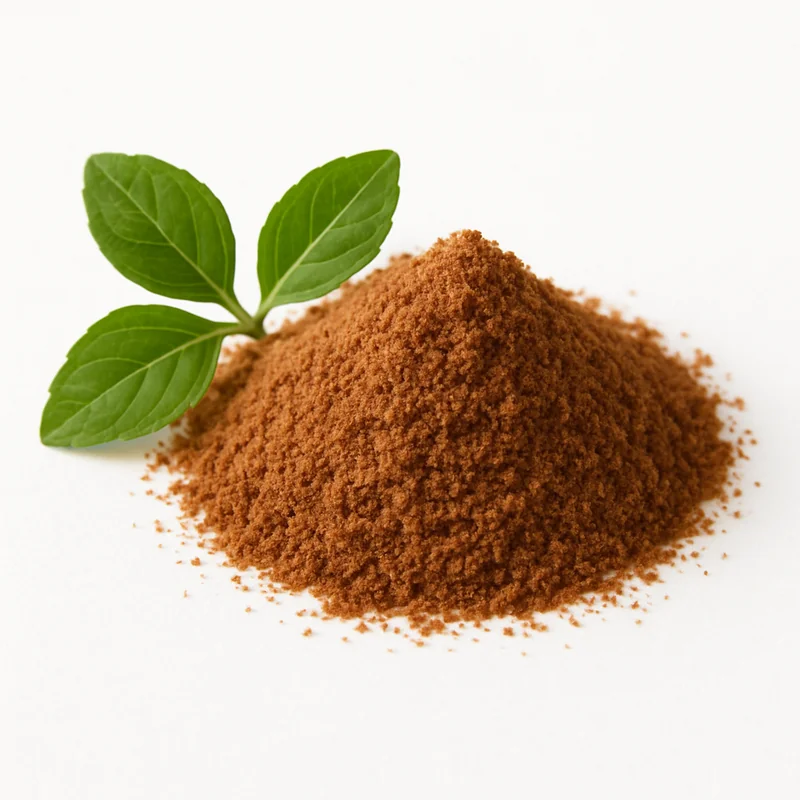
Nutmeg (Ground)
Ground nutmeg is a warm, sweet seed spice rich in manganese, copper, and magnesium, with myristicin- and monoterpene-driven antioxidant and digestive benefits.
Nutrition · per ~2 g serving · ≈ a pinch
- Thiamin0.01 mg<1% DV
- Folate1.5 mcg<1% DV
- Vitamin B60.00 mg<1% DV
- Niacin0.03 mg<1% DV
- Riboflavin0.00 mg<1% DV
- Vitamin C0.06 mg<1% DV
- Vitamin A2.0 iu<1% DV
- Manganese0.06 mg3% DV
- Copper0.02 mg2% DV
- Magnesium3.7 mg<1% DV
- Zinc0.04 mg<1% DV
- Phosphorus4.3 mg<1% DV
- Iron0.06 mg<1% DV
- Calcium3.7 mg<1% DV
- Potassium7.0 mg<1% DV
- Selenium0.03 mcg<1% DV
- Sodium0.32 mg<1% DV
- Saturated Fat0.52 g
- Polyphenols~3.0 mg
Score · 91/100
Vitamins & minerals packed in relative to calories — the single biggest driver of the score.
How much protein it delivers, by absolute grams and per calorie.
Dietary fiber for gut health, satiety and steadier blood sugar.
Fat quality — unsaturated vs saturated, and trans-fat free.
Polyphenols, flavonoids and other beneficial plant compounds for this food group.
Low sugar with a high fiber-to-carb ratio scores best — gentler on blood sugar.
- Manganese126% DV
- Copper114% DV
- Magnesium44% DV
- Thiamin29% DV
- Zinc20% DV
Overview
Nutmeg (Myristica fragrans) is the ground seed kernel of a tropical evergreen tree native to the Banda Islands of Indonesia, the same fruit that yields mace from its lacy red seed covering. Its characteristic warm, sweet, woody aroma comes from a rich essential oil dominated by sabinene, alpha-pinene, and the phenylpropanoids myristicin and elemicin, which underlie both its bioactivity and—at large doses—its psychoactive toxicity. Ground nutmeg is calorie-dense at about 525 kcal per 100g due to its high fat content, providing 5.8g protein, 49g carbohydrate (21g of it fiber), and a substantial 36g fat. Its mineral profile features roughly 2.9mg manganese per 100g, 1.03mg copper, 183mg magnesium, 184mg calcium, 3.0mg iron, 350mg potassium, and 2.15mg zinc. It also supplies small amounts of vitamin C, folate, and B vitamins. The longevity thesis centers on its monoterpene and phenolic antioxidants and traditional carminative, sleep-supporting, and anti-inflammatory uses, with animal studies suggesting antimicrobial and mood-modulating effects. The critical caveat is dose: myristicin is hallucinogenic and toxic in amounts of roughly 5g or more, so nutmeg is strictly a small-dose culinary spice—typically under 0.5g.
Health Benefits (4)
- Provides antioxidant and anti-inflammatory activitymoderateMyristicin, monoterpenes, and phenolic compounds scavenge free radicals and inhibit inflammatory mediators
- Aids digestion and relieves gasemergingVolatile oils act as carminatives, stimulating digestive secretions and easing bloating and indigestion
- May support sleep and relaxationemergingTraditional use and animal data suggest myristicin and trimyristin have mild sedative and mood-modulating effects in very small amounts
- Supplies manganese and copper for metabolismmoderateManganese and copper cofactor antioxidant enzymes (SOD) and support connective-tissue and energy metabolism
Food Pairings
- ·Pair with dairy in custards and béchamel because nutmeg's fat-soluble aroma infuses cream and milk classically
- ·Combine with spinach and greens because a pinch of nutmeg balances their earthiness and complements iron-rich dishes
- ·Add to warm spiced beverages and baked goods because its sweet, woody notes round and deepen autumnal flavors
Practical Tips
- ·Grate whole nutmeg fresh on a microplane just before use; pre-ground powder loses aroma within weeks
- ·Use a tiny pinch—a fraction of a gram—both for flavor balance and because larger amounts are toxic
- ·Add at the end of cooking to preserve its delicate volatile oils
- ·Store whole nutmeg airtight; it keeps far longer and fresher than the ground form
Optimal Timing
Nutmeg's traditional mild sedative reputation makes a small pinch in warm evening drinks or desserts a fitting use, though culinary amounts are too small for a strong effect.
- · high doses at any time
Strictly a small-dose spice. Doses of roughly 5g or more cause myristicin toxicity (hallucinations, nausea, tachycardia); never consume in large amounts.
Concerns
- · High saturated fat
