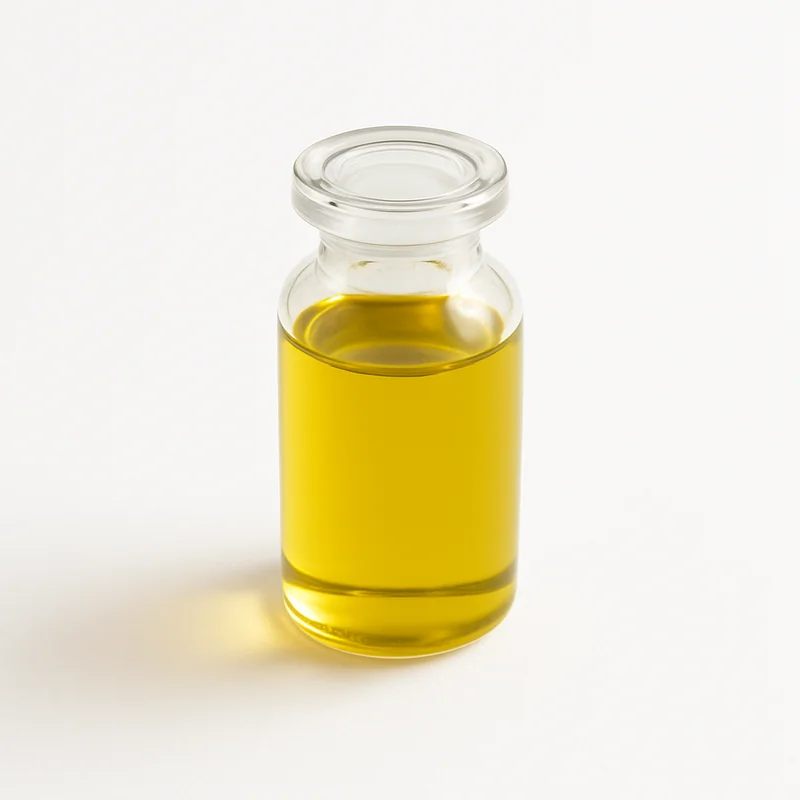
Olive Oil
Extra virgin olive oil is a cold-pressed fat rich in monounsaturated fatty acids and polyphenols, serving as a cornerstone of Mediterranean nutrition and cardiovascular health.
Nutrition · per ~14 g serving · ≈ 1 tbsp
- Vitamin E2.0 mg13% DV
- Vitamin K8.4 mcg7% DV
- Omega3106.5 mg
- Saturated Fat1.9 g
- Hydroxytyrosol / Oleocanthal~1.4 mg
- Inulin / Prebiotic fibre~420 mg
- Polyphenols~21 mg
Score · 93/100
Vitamins & minerals packed in relative to calories — the single biggest driver of the score.
How much protein it delivers, by absolute grams and per calorie.
Dietary fiber for gut health, satiety and steadier blood sugar.
Fat quality — unsaturated vs saturated, and trans-fat free.
Polyphenols, flavonoids and other beneficial plant compounds for this food group.
Low sugar with a high fiber-to-carb ratio scores best — gentler on blood sugar.
- Vitamin E96% DV
- Vitamin K50% DV
Overview
Olive oil, particularly extra virgin varieties, has been consumed for over 6,000 years and forms the foundation of the Mediterranean diet—one of the most extensively studied dietary patterns for longevity. Unlike refined oils, extra virgin olive oil is minimally processed, retaining over 200 bioactive compounds including oleuropein, hydroxytyrosol, and oleocanthal. These polyphenols are responsible for olive oil's characteristic bitter, peppery taste and provide potent anti-inflammatory and antioxidant effects. The primary lipid composition features oleic acid (a monounsaturated fat), which supports healthy cholesterol profiles and reduces cardiovascular inflammation. Extra virgin olive oil's polyphenol content varies significantly by harvest time—early harvest oils contain 5-10x more polyphenols than refined varieties. The oil is particularly valued in longevity research for its ability to reduce oxidative stress, support endothelial function, and promote healthy aging at the cellular level. Quality matters substantially: authentic extra virgin oil should have robust flavor and aroma, indicating preserved phytochemical content.
Health Benefits (5)
- Reduced cardiovascular disease risk and improved arterial functionstrongPolyphenols decrease LDL oxidation and inflammation in blood vessels while oleic acid supports endothelial health and reduces atherosclerotic plaque formation
- Enhanced cognitive function and reduced dementia riskmoderateOleocanthal penetrates the blood-brain barrier and promotes tau protein clearance, reducing neuroinflammation and amyloid-beta accumulation associated with Alzheimer's disease
- Decreased systemic inflammation markersstrongPolyphenols including oleocanthal inhibit NF-κB signaling and reduce production of pro-inflammatory cytokines like TNF-α and IL-6
- Improved insulin sensitivity and metabolic healthmoderateMonounsaturated fats and polyphenols enhance pancreatic beta cell function and reduce hepatic insulin resistance
- Enhanced gut microbiome diversity and barrier functionmoderatePolyphenols serve as prebiotics, promoting beneficial bacteria growth, while supporting intestinal tight junction integrity and reducing endotoxemia
Food Pairings
- ·Pair with tomatoes because lycopene absorption increases 4-5x in the presence of dietary fat, while both foods provide complementary polyphenol profiles
- ·Combine with leafy greens (spinach, kale) because fat-soluble vitamin K and carotenoid absorption requires lipids for optimal bioavailability
- ·Use with legumes and whole grains because oleic acid enhances satiety signals and slows carbohydrate absorption, supporting glycemic control
- ·Drizzle over berries because olive oil polyphenols and berry anthocyanins synergistically enhance antioxidant capacity and anti-inflammatory effects
Practical Tips
- ·Choose early harvest extra virgin olive oil (dark bottle, harvest date visible) to maximize polyphenol content—these oils contain 200-400mg/L polyphenols versus 50-100mg/L in refined varieties
- ·Store in a cool, dark place away from heat and light; polyphenols degrade significantly when exposed to UV light or temperatures above 68°F
- ·Use for finishing dishes and salads rather than high-heat cooking (smoke point ~375-405°F); heat destroys approximately 50% of polyphenols, though monounsaturated fats remain stable
- ·Consume 2-3 tablespoons daily as part of Mediterranean dietary patterns; this quantity (30-40g) provides meaningful polyphenol intake shown beneficial in longevity studies
- ·Verify authenticity by checking for Protected Designation of Origin (PDO) certification and tasting for peppery sensation (indicates polyphenol presence); rancid or flat-tasting oil indicates degraded polyphenols
Optimal Timing
Olive oil has no time-dependent mechanism; consume with meals throughout the day to enhance absorption of fat-soluble vitamins and polyphenols from other foods
While olive oil contains calories (120 per tablespoon), consuming it with meals supports satiety and reduces overall energy intake; not suitable for water-only fasts but compatible with eating windows in intermittent fasting protocols
