Paprika
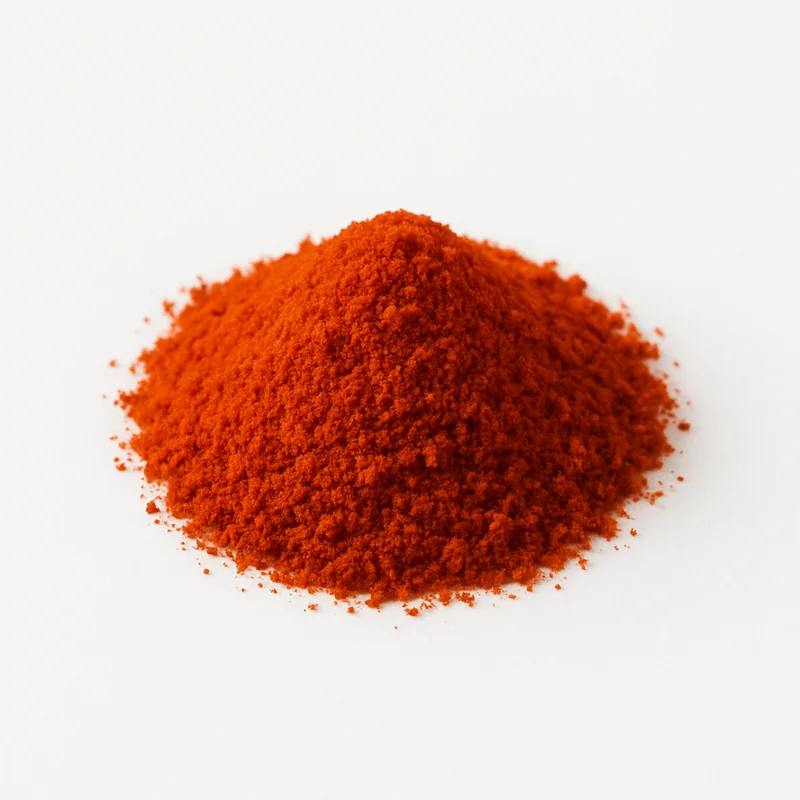
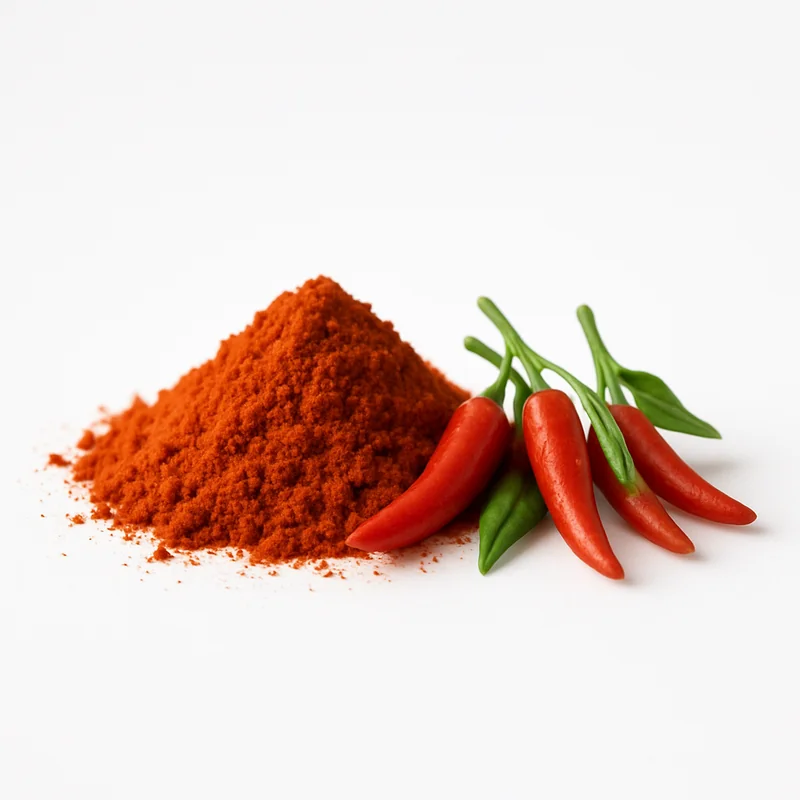
Paprika is a mild ground spice made from dried sweet red peppers, exceptionally rich in provitamin-A carotenoids, vitamin E and antioxidant pigments.
Nutrition · per ~2 g serving · ≈ a pinch
- Vitamin A985.1 iu20% DV
- Vitamin E0.58 mg4% DV
- Vitamin B60.04 mg3% DV
- Riboflavin0.02 mg2% DV
- Vitamin K1.6 mcg1% DV
- Niacin0.20 mg1% DV
- Thiamin0.01 mg<1% DV
- Folate0.98 mcg<1% DV
- Vitamin C0.02 mg<1% DV
- Iron0.42 mg2% DV
- Copper0.01 mg2% DV
- Manganese0.03 mg1% DV
- Potassium45.6 mg<1% DV
- Magnesium3.6 mg<1% DV
- Zinc0.09 mg<1% DV
- Phosphorus6.3 mg<1% DV
- Calcium4.6 mg<1% DV
- Selenium0.13 mcg<1% DV
- Sodium1.4 mg<1% DV
- Saturated Fat0.04 g
- Lutein & Zeaxanthin~0.12 mg
- Beta-carotene~0.10 mg
- Carotenoids~0.12 mg
Score · 97/100
Vitamins & minerals packed in relative to calories — the single biggest driver of the score.
How much protein it delivers, by absolute grams and per calorie.
Dietary fiber for gut health, satiety and steadier blood sugar.
Fat quality — unsaturated vs saturated, and trans-fat free.
Polyphenols, flavonoids and other beneficial plant compounds for this food group.
Low sugar with a high fiber-to-carb ratio scores best — gentler on blood sugar.
- Vitamin E194% DV
- Vitamin B6126% DV
- Iron117% DV
- Riboflavin95% DV
- Copper79% DV
Overview
Paprika is milled from dried, ripe, mild-to-sweet Capsicum annuum peppers and is defined more by its brilliant red color and deep carotenoid content than by heat. Per 100 g it provides about 282 kcal, 14 g protein, 54 g carbohydrate, 13 g fat and 35 g dietary fiber. Its standout feature is one of the highest vitamin A concentrations of any food: roughly 49,254 IU per 100 g, derived from a dense mix of carotenoid pigments including capsanthin, capsorubin, beta-carotene and zeaxanthin. Paprika is also a leading dietary source of vitamin E (~29 mg per 100 g), plus vitamin B6 (~2.1 mg), vitamin K (~80 mcg), iron (~21 mg), potassium (~2280 mg), magnesium and manganese. The carotenoids that give paprika its color are powerful lipid-phase antioxidants, and zeaxanthin in particular concentrates in the retina to support eye health. Unlike cayenne, paprika contains little capsaicin, so it delivers carotenoid and tocopherol benefits without significant heat, making it usable in generous amounts. In small culinary servings it adds negligible calories while supplying a concentrated, fat-soluble antioxidant package valued for eye, skin and cardiovascular support.
Health Benefits (4)
- Supports eye health and macular protectionmoderateZeaxanthin and beta-carotene concentrate in the macula, filtering high-energy blue light and quenching reactive oxygen species, while provitamin-A carotenoids convert to retinal needed for vision
- Provides strong fat-soluble antioxidant defensestrongCapsanthin, capsorubin and high vitamin E act in cell membranes and lipoproteins to interrupt lipid peroxidation chains and reduce oxidative damage
- Supports cardiovascular healthmoderateCarotenoid and tocopherol antioxidants limit LDL oxidation and inflammation, while high potassium supports healthy blood pressure regulation
- Contributes to skin integrity and immune functionmoderateProvitamin-A carotenoids supply retinoids essential for epithelial cell turnover and immune cell function, supporting skin and mucosal barriers
Food Pairings
- ·Pair with olive oil, butter or other fat because paprika's carotenoids and vitamin E are fat-soluble and poorly absorbed without lipids
- ·Combine with eggs or dairy because their fat and choline complement paprika's carotenoid uptake and add to the antioxidant carotenoid pool
- ·Use with vitamin-C-rich foods because vitamin C helps regenerate vitamin E, extending antioxidant protection
Practical Tips
- ·Bloom paprika gently in warm oil rather than adding to a hot dry pan; it scorches easily and turns bitter, and the oil extracts its carotenoids
- ·Add toward the end of high-heat cooking to protect the heat-sensitive red pigments
- ·Buy in small quantities and store in a cool, dark, airtight container, as the carotenoids fade and oxidize over months
- ·Choose Hungarian or Spanish paprika for the deepest carotenoid color and flavor
Optimal Timing
Paprika's carotenoids and vitamin E have no circadian dependency and are best consumed regularly with fat-containing meals for absorption.
Culinary amounts are calorically negligible and fasting-compatible.
