Saffron
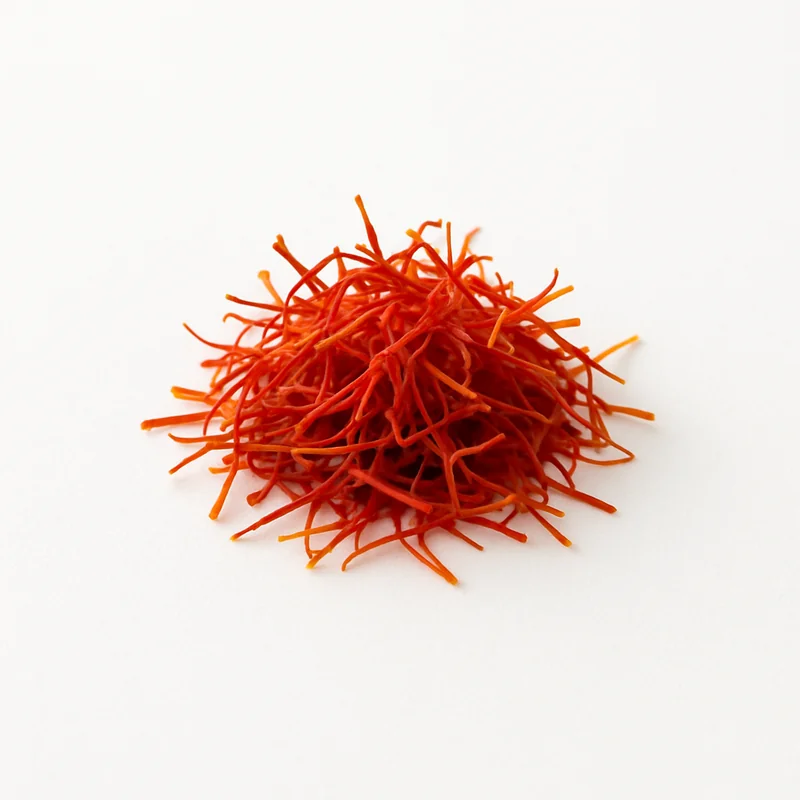
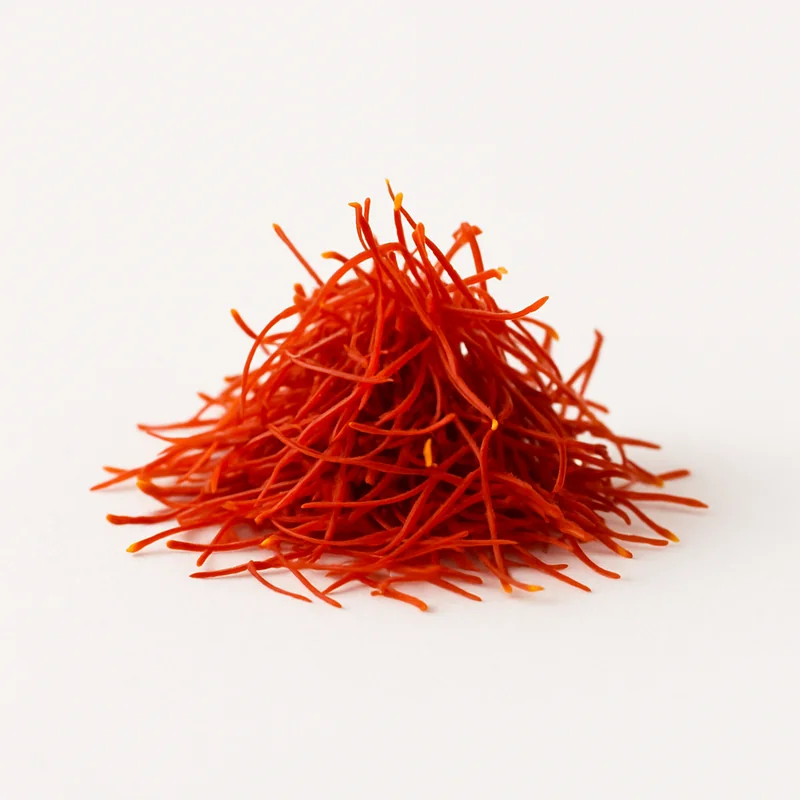
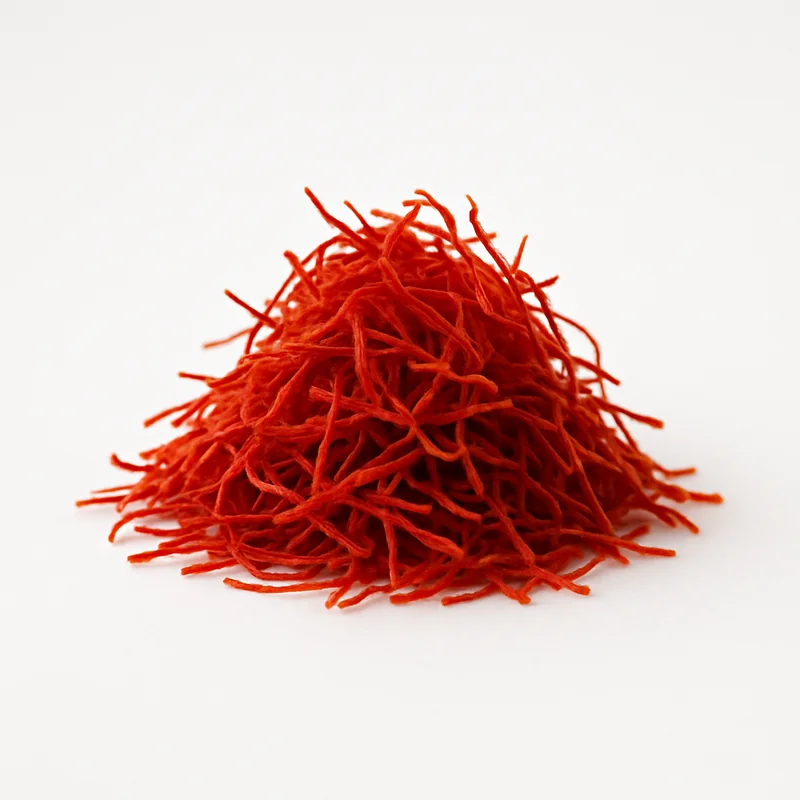
Saffron is the dried stigma of Crocus sativus and the world's most expensive spice, rich in the carotenoids crocin and crocetin plus safranal.
Nutrition · per ~2 g serving · ≈ a pinch
- Vitamin C1.6 mg2% DV
- Vitamin B60.02 mg1% DV
- Folate1.9 mcg<1% DV
- Riboflavin0.01 mg<1% DV
- Vitamin A10.6 iu<1% DV
- Thiamin0.00 mg<1% DV
- Niacin0.03 mg<1% DV
- Manganese0.57 mg25% DV
- Magnesium5.3 mg1% DV
- Iron0.22 mg1% DV
- Potassium34.5 mg<1% DV
- Copper0.01 mg<1% DV
- Phosphorus5.0 mg<1% DV
- Selenium0.11 mcg<1% DV
- Zinc0.02 mg<1% DV
- Calcium2.2 mg<1% DV
- Sodium3.0 mg<1% DV
- Saturated Fat0.03 g
- Carotenoids~0.12 mg
- Polyphenols~3.0 mg
Score · 93/100
Vitamins & minerals packed in relative to calories — the single biggest driver of the score.
How much protein it delivers, by absolute grams and per calorie.
Dietary fiber for gut health, satiety and steadier blood sugar.
Fat quality — unsaturated vs saturated, and trans-fat free.
Polyphenols, flavonoids and other beneficial plant compounds for this food group.
Low sugar with a high fiber-to-carb ratio scores best — gentler on blood sugar.
- Manganese1235% DV
- Vitamin C90% DV
- Magnesium63% DV
- Iron62% DV
- Vitamin B659% DV
Overview
Saffron is the hand-harvested dried stigma of the Crocus sativus flower, each gram requiring roughly 150 flowers picked and processed by hand, making it the most expensive spice in the world by weight. Though consumed in tiny pinches, its per-100g profile (~310 kcal) is striking: it is among the richest dietary sources of manganese (~28 mg/100g) and supplies high potassium (~1,724 mg), magnesium, iron, and vitamin C. Saffron's prized bioactives are the apocarotenoids crocin (the water-soluble pigment behind its golden color) and crocetin, plus the volatile aroma compound safranal and the bitter glycoside picrocrocin. Clinical research links crocin and safranal to mood support and antioxidant and neuroprotective activity. Used by the pinch, saffron transforms paella, risotto Milanese, Persian rice, and bouillabaisse with its honeyed, floral aroma and luminous color. Because the actives are heat- and light-sensitive, threads are typically steeped in warm liquid before use.
Health Benefits (3)
- Supports mood and emotional well-beingmoderateCrocin and safranal modulate serotonin reuptake and dopaminergic signaling, with multiple trials showing antidepressant-comparable effects at standardized doses
- Provides neuroprotective antioxidant activitymoderateCrocetin and crocin quench free radicals and reduce neuronal lipid peroxidation and inflammation
- Supports retinal and vascular healthlimitedCrocin improves microcirculation and protects retinal cells from oxidative damage
Food Pairings
- ·Steep threads in warm water, milk, or broth before adding because crocin and safranal are water-soluble and release on infusion
- ·Pair with fat-containing rice and seafood dishes where its color and aroma distribute evenly
Practical Tips
- ·Bloom a pinch in a tablespoon of warm liquid for 10 to 20 minutes to extract maximum color and flavor
- ·Store threads airtight, away from light and heat, to protect the volatile safranal
- ·Use sparingly because excess turns dishes bitter and medicinal; a pinch suffices
Optimal Timing
Saffron's actives have no strict circadian dependency, though mood-support studies often use a consistent daily dose.
Used in milligram pinches; fasting-compatible.
