Smoked Paprika
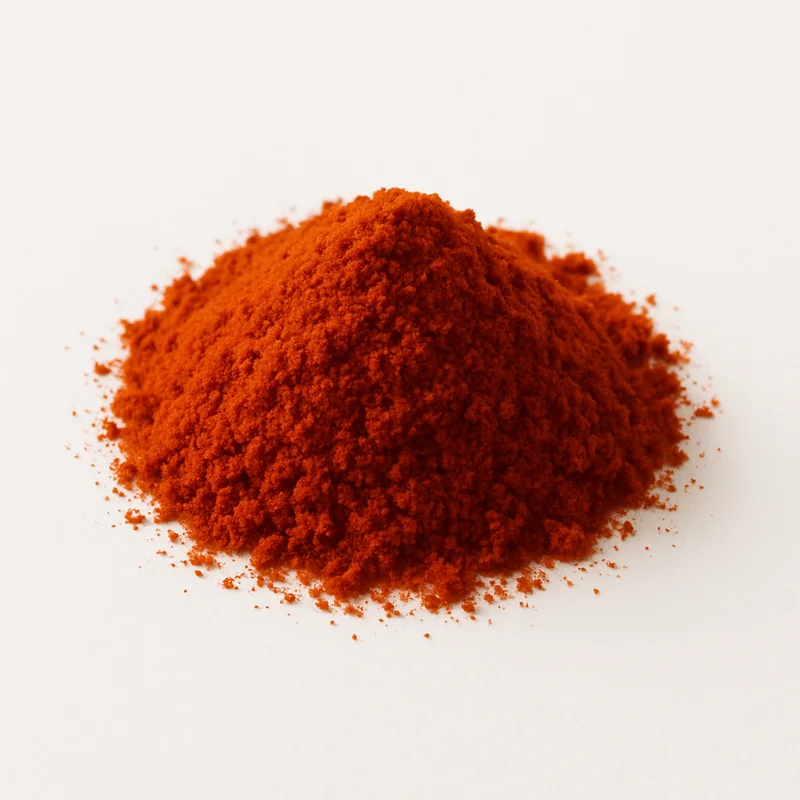
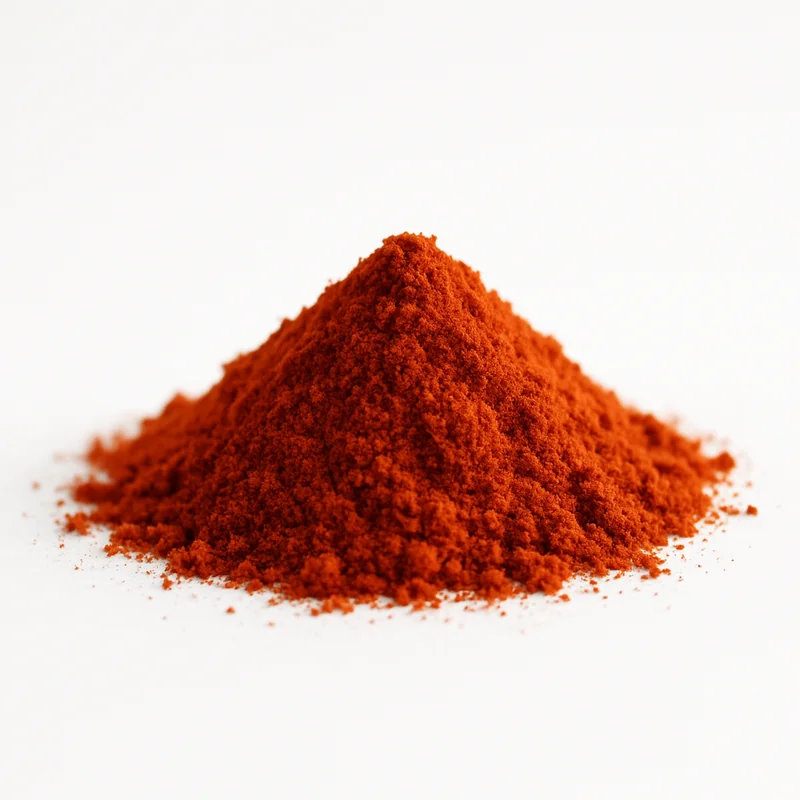
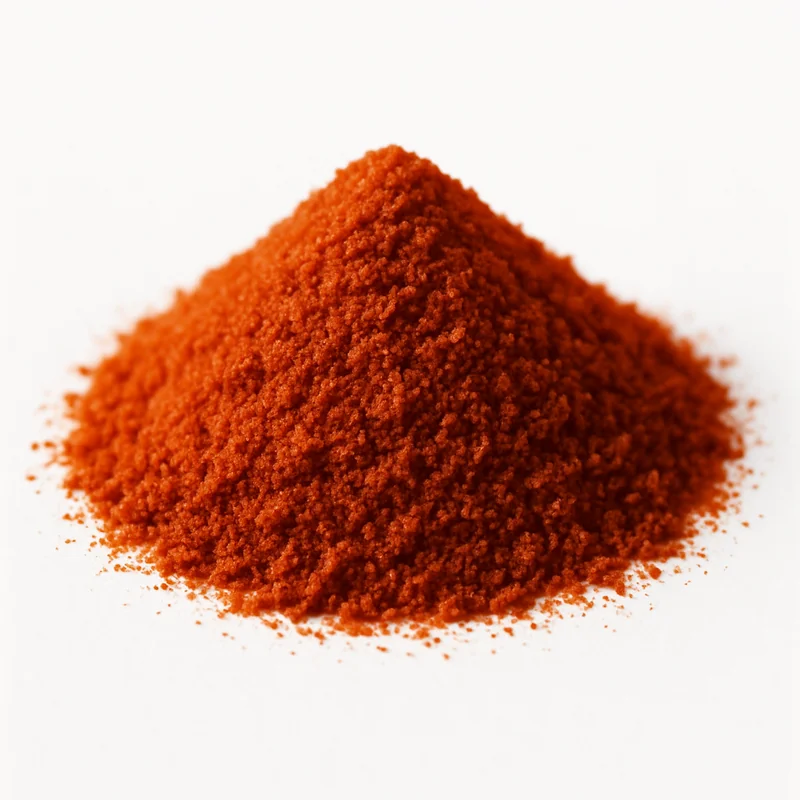
Smoked paprika is sweet red pepper dried over oak smoke and ground, carrying paprika's rich carotenoid and vitamin-E profile plus a deep smoky aroma.
Nutrition · per ~2 g serving · ≈ a pinch
- Vitamin A985.1 iu20% DV
- Vitamin E0.58 mg4% DV
- Vitamin B60.04 mg3% DV
- Riboflavin0.02 mg2% DV
- Vitamin K1.6 mcg1% DV
- Niacin0.20 mg1% DV
- Thiamin0.01 mg<1% DV
- Folate0.98 mcg<1% DV
- Vitamin C0.02 mg<1% DV
- Iron0.42 mg2% DV
- Copper0.01 mg2% DV
- Manganese0.03 mg1% DV
- Potassium45.6 mg<1% DV
- Magnesium3.6 mg<1% DV
- Zinc0.09 mg<1% DV
- Phosphorus6.3 mg<1% DV
- Calcium4.6 mg<1% DV
- Selenium0.13 mcg<1% DV
- Sodium1.4 mg<1% DV
- Saturated Fat0.04 g
- Lutein & Zeaxanthin~0.12 mg
- Beta-carotene~0.10 mg
- Carotenoids~0.12 mg
Score · 97/100
Vitamins & minerals packed in relative to calories — the single biggest driver of the score.
How much protein it delivers, by absolute grams and per calorie.
Dietary fiber for gut health, satiety and steadier blood sugar.
Fat quality — unsaturated vs saturated, and trans-fat free.
Polyphenols, flavonoids and other beneficial plant compounds for this food group.
Low sugar with a high fiber-to-carb ratio scores best — gentler on blood sugar.
- Vitamin E194% DV
- Vitamin B6126% DV
- Iron117% DV
- Riboflavin95% DV
- Copper79% DV
Overview
Smoked paprika, the Spanish pimenton de la Vera, is made from ripe Capsicum annuum peppers slowly dried over smoldering oak before being ground, giving it paprika's brilliant red carotenoid color with an intense smoky character. Its nutrition mirrors sweet paprika because the smoking process changes flavor far more than composition: per 100 g it provides about 282 kcal, 14 g protein, 54 g carbohydrate, 13 g fat and 35 g dietary fiber, with an exceptionally high vitamin A content of roughly 49,254 IU from carotenoid pigments such as capsanthin, capsorubin, beta-carotene and zeaxanthin. It is likewise a strong source of vitamin E (~29 mg), vitamin B6 (~2.1 mg), vitamin K (~80 mcg), iron (~21 mg), potassium (~2280 mg), magnesium and manganese. These fat-soluble carotenoids and tocopherols are robust lipid-phase antioxidants, and zeaxanthin selectively supports macular and eye health. Like sweet paprika it contains very little capsaicin, so it can be used generously for color, depth and a barbecue-like smokiness without heat. One nutritional caveat is that oak-smoking can deposit trace polycyclic aromatic hydrocarbons, though culinary quantities are small. In small servings smoked paprika adds negligible calories while delivering the same concentrated, fat-soluble antioxidant package as ordinary paprika alongside its distinctive flavor.
Health Benefits (4)
- Supports eye and macular healthmoderateZeaxanthin and beta-carotene accumulate in the macula to filter blue light and quench reactive oxygen species, while provitamin-A carotenoids supply retinal for vision
- Delivers potent fat-soluble antioxidant defensestrongCapsanthin, capsorubin and high vitamin E interrupt lipid peroxidation in membranes and lipoproteins, reducing oxidative stress
- Supports cardiovascular functionmoderateCarotenoid and tocopherol antioxidants limit LDL oxidation while abundant potassium supports healthy blood pressure regulation
- Supports skin and immune healthmoderateProvitamin-A carotenoids provide retinoids required for epithelial cell turnover and normal immune function, reinforcing skin and mucosal barriers
Food Pairings
- ·Pair with olive oil or other fat because smoked paprika's carotenoids and vitamin E require lipids for absorption
- ·Use with beans, lentils and stews because its smoky depth mimics cured meat while adding plant-based carotenoid antioxidants
- ·Combine with vitamin-C-rich peppers or citrus because vitamin C regenerates oxidized vitamin E for prolonged antioxidant action
Practical Tips
- ·Bloom in warm oil to release the carotenoids and bloom the smoky aroma without scorching the delicate pigments
- ·Use sparingly at first; the smoke flavor is concentrated and can dominate a dish
- ·Store in a cool, dark, airtight jar to slow carotenoid fading and aroma loss
- ·Choose pimenton de la Vera (dulce, agridulce or picante) for authentic oak-smoked depth
Optimal Timing
The carotenoids and vitamin E have no circadian dependency and are best taken regularly with fat-containing meals for absorption.
Culinary amounts are calorically negligible and fasting-compatible; keep portions modest given trace smoke compounds.
