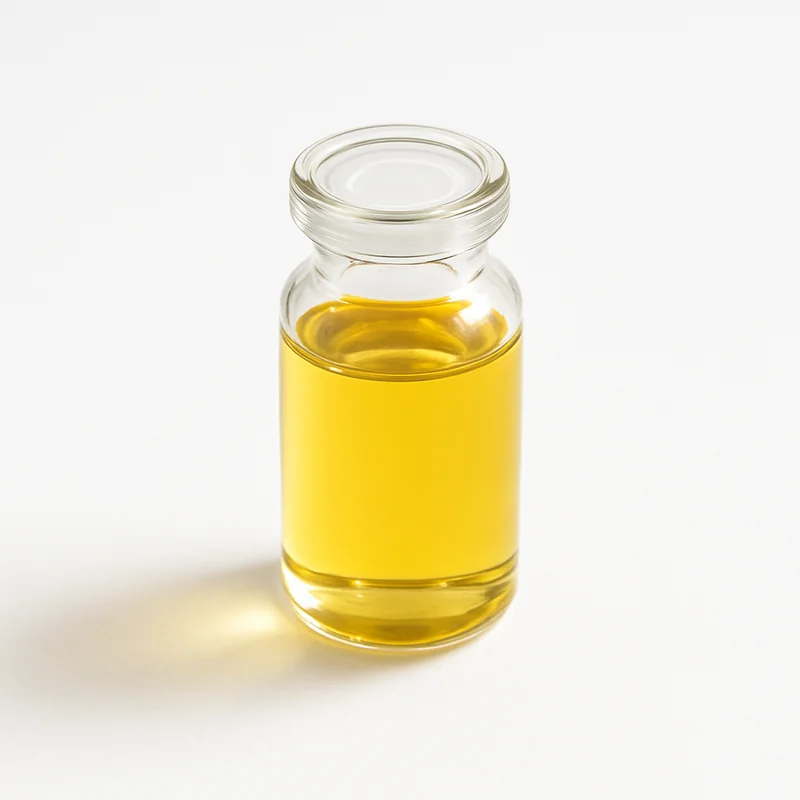
Soybean Oil
Soybean oil is a vegetable oil extracted from soybean seeds, rich in polyunsaturated fats including omega-6 linoleic acid and smaller amounts of omega-3 alpha-linolenic acid. It serves as a common cooking oil and ingredient in processed foods.
Nutrition · per ~14 g serving · ≈ 1 tbsp
- Vitamin K25.7 mcg21% DV
- Vitamin E1.1 mg8% DV
- Omega3950.5 mg
- Saturated Fat2.2 g
- Omega-3 (ALA/EPA/DHA)~210 mg
Score · 66/100
Vitamins & minerals packed in relative to calories — the single biggest driver of the score.
How much protein it delivers, by absolute grams and per calorie.
Dietary fiber for gut health, satiety and steadier blood sugar.
Fat quality — unsaturated vs saturated, and trans-fat free.
Polyphenols, flavonoids and other beneficial plant compounds for this food group.
Low sugar with a high fiber-to-carb ratio scores best — gentler on blood sugar.
- Vitamin K153% DV
- Vitamin E55% DV
Overview
Soybean oil originates from soybean cultivation, predominantly in the United States, Brazil, and Argentina. As one of the world's most widely consumed vegetable oils, it provides essential polyunsaturated fatty acids (PUFAs), particularly linoleic acid (omega-6), which is required for cell membrane structure and inflammatory regulation. A 100g serving contains approximately 16g saturated fat, 23g monounsaturated fat, and 58g polyunsaturated fat. For longevity, the omega-6 to omega-3 ratio matters significantly—soybean oil contains roughly 7:1 omega-6 to omega-3, which can promote inflammation if consumed in excess without balancing omega-3 intake. The oil also contains vitamin E, a fat-soluble antioxidant supporting cellular health. Modern soybean oils are often high-oleic or genetically modified to improve stability and reduce saturated fat content. When used moderately as part of a balanced fat profile that includes omega-3 rich sources (fatty fish, flaxseed, walnuts), soybean oil can contribute to cardiovascular health. However, excessive consumption relative to other fat sources may shift the inflammatory balance unfavorably, making portion control and dietary context essential for longevity optimization.
Health Benefits (4)
- Supports cardiovascular health through essential fatty acidsstrongLinoleic acid (omega-6) helps regulate cholesterol levels and supports healthy blood vessel function, particularly when balanced with adequate omega-3 intake
- Provides vitamin E for antioxidant protectionstrongVitamin E scavenges free radicals and protects cell membranes from oxidative damage, supporting cellular longevity
- Supports brain cell membrane integritymoderatePolyunsaturated fats are essential structural components of neuronal membranes, important for cognitive function and neuroplasticity
- May reduce inflammation when balanced with omega-3 sourcesmoderateLinoleic acid metabolism produces anti-inflammatory eicosanoids when the omega-6 to omega-3 ratio remains moderate (4:1 or lower)
Food Pairings
- ·Pair with fatty fish (salmon, mackerel) or flaxseeds because they provide omega-3 fatty acids to balance soybean oil's high omega-6 content and reduce inflammatory potential
- ·Combine with vitamin C-rich foods (tomatoes, bell peppers, citrus) because vitamin C enhances absorption of fat-soluble nutrients and supports antioxidant synergy
- ·Use in dressings with leafy greens because the oil facilitates absorption of fat-soluble vitamins (A, K, E) from vegetables
- ·Mix with herbs and spices (turmeric, ginger) because polyphenols from spices provide additional antioxidant protection alongside soybean oil's vitamin E
Practical Tips
- ·Store soybean oil in a cool, dark place away from heat and light to prevent oxidation of polyunsaturated fats, which reduces shelf stability
- ·Use for low-to-medium heat cooking rather than high-heat applications (above 350°F/175°C) since polyunsaturated fats are prone to oxidative damage at high temperatures; reserve for salad dressings or gentle sautéing
- ·Limit to 1-2 tablespoons per serving as part of total daily fat intake to maintain healthy omega-6 to omega-3 ratios and avoid excess caloric intake
- ·Select non-GMO or high-oleic soybean oil varieties if available, as these have improved oxidative stability and slightly better fat profiles
- ·Balance consumption by ensuring adequate omega-3 intake from sources like fatty fish, walnuts, chia seeds, or flaxseeds to maintain an optimal inflammatory profile
Optimal Timing
Soybean oil has no time-dependent absorption or utilization pattern; however, it is best consumed as part of meals containing fat-soluble vitamins for optimal nutrient absorption
Do not consume during fasting periods as it will break a fast and provide calories. Always consume with food rather than in isolation.
