Za'atar
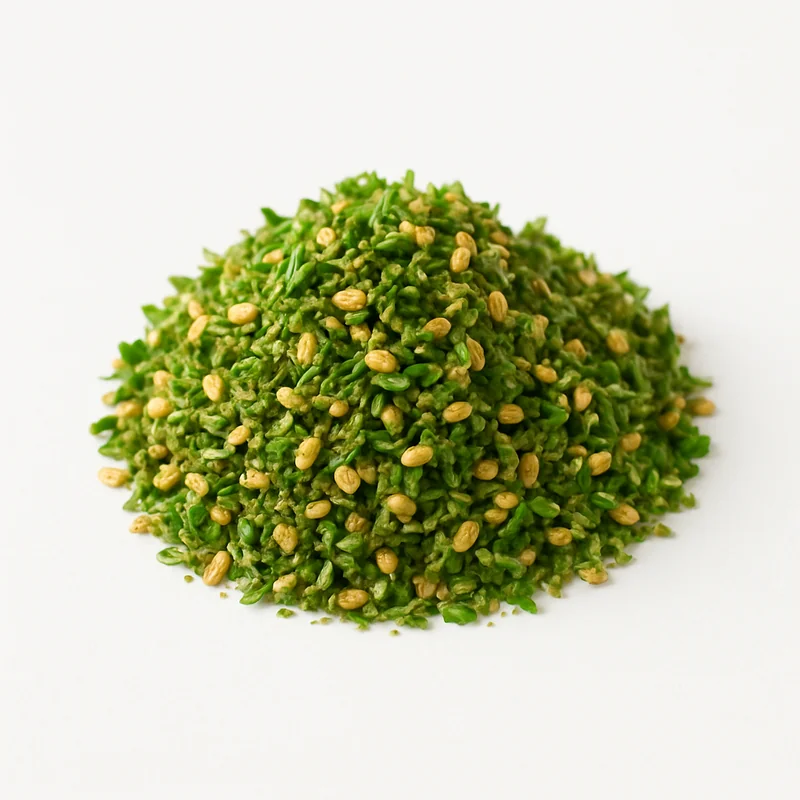
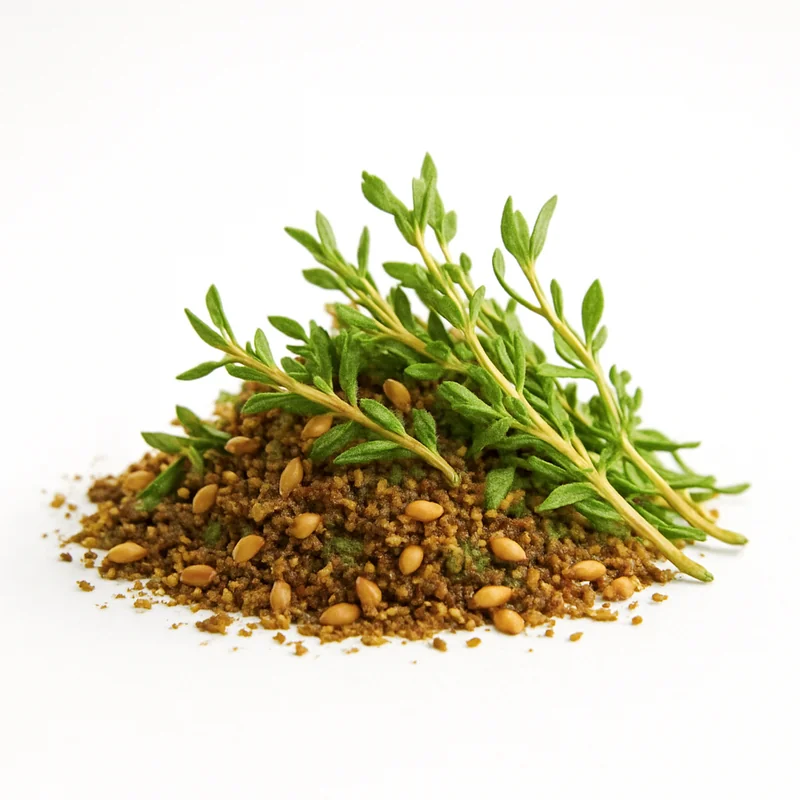
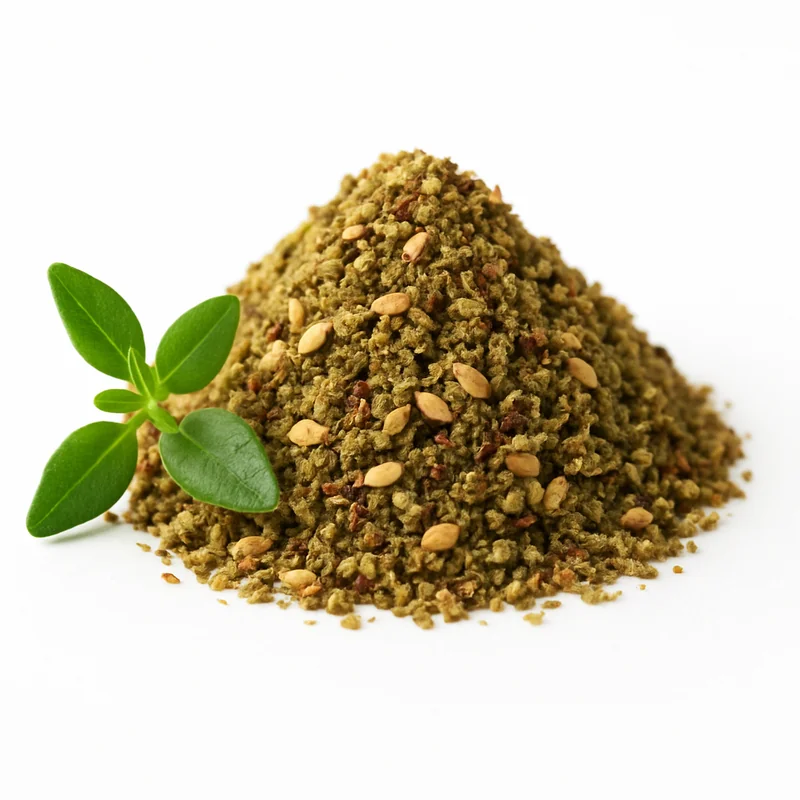
Za'atar is a Middle Eastern blend of dried thyme and oregano, toasted sesame, ground sumac, and salt, rich in calcium, iron, and vitamin K and dense in carvacrol, thymol, and sesame lignans.
Nutrition · per ~2 g serving · ≈ a pinch
- Vitamin K8.0 mcg7% DV
- Vitamin E0.16 mg1% DV
- Vitamin B60.01 mg<1% DV
- Vitamin A30.0 iu<1% DV
- Niacin0.08 mg<1% DV
- Riboflavin0.01 mg<1% DV
- Thiamin0.01 mg<1% DV
- Folate1.6 mcg<1% DV
- Vitamin C0.28 mg<1% DV
- Manganese0.26 mg11% DV
- Iron0.50 mg3% DV
- Copper0.02 mg2% DV
- Calcium18.0 mg1% DV
- Magnesium4.4 mg1% DV
- Sodium24.0 mg1% DV
- Zinc0.09 mg<1% DV
- Phosphorus6.4 mg<1% DV
- Potassium22.0 mg<1% DV
- Selenium0.20 mcg<1% DV
- Saturated Fat0.04 g
- Lignans~0.60 mg
- Polyphenols~3.0 mg
Score · 94/100
Vitamins & minerals packed in relative to calories — the single biggest driver of the score.
How much protein it delivers, by absolute grams and per calorie.
Dietary fiber for gut health, satiety and steadier blood sugar.
Fat quality — unsaturated vs saturated, and trans-fat free.
Polyphenols, flavonoids and other beneficial plant compounds for this food group.
Low sugar with a high fiber-to-carb ratio scores best — gentler on blood sugar.
- Manganese565% DV
- Vitamin K333% DV
- Iron139% DV
- Copper100% DV
- Calcium69% DV
Overview
Za'atar is both a single Levantine herb and the iconic blend named for it, a fragrant mix of dried thyme and oregano, toasted sesame seeds, tart ground sumac, and salt. Scattered over olive-oil-brushed flatbread, swirled into labneh, or dusted over roasted vegetables, it is a defining flavor of Eastern Mediterranean cooking. Its herb base makes it unusually rich in antioxidant volatiles, while the sesame fraction adds nutty fat, calcium, phosphorus, and lignans. Per 100 g it provides roughly 900 mg calcium, 25 mg iron, 13 mg manganese, and a high vitamin K content (~400 mcg) from the dried herbs, with the toasted sesame contributing meaningful fat. Its headline bioactives are carvacrol and thymol, the phenolic monoterpenes that give thyme and oregano their potency, plus sumac's anthocyanins and organic acids and sesame lignans such as sesamin. Sodium is variable and can be high depending on the salt level of the specific blend; the values here reflect a moderately salted version, so a lower-salt or homemade za'atar lets the herbs and sumac carry the flavor.
Health Benefits (3)
- Delivers potent phenolic antioxidantsmoderateCarvacrol and thymol from thyme and oregano scavenge free radicals and inhibit lipid peroxidation, among the highest antioxidant capacities of culinary herbs
- Supports bone and vascular healthmoderateHigh vitamin K activates osteocalcin and matrix Gla protein, directing calcium to bone while limiting arterial calcification; the blend also supplies calcium directly
- Provides lignans and healthy fats from sesamelimitedSesamin and sesamolin act as antioxidants and may support lipid metabolism
Food Pairings
- ·Pair with olive oil because za'atar's carvacrol, thymol, and sesame lignans are fat-soluble
- ·Combine with labneh or yogurt where the tart sumac balances the creamy fat
- ·Sprinkle over roasted vegetables, eggs, and flatbread to add antioxidant herbs to everyday meals
Practical Tips
- ·Choose or make a lower-salt blend so the herbs and sumac, not sodium, dominate
- ·Bloom in olive oil to release the fat-soluble aromatics before dressing a dish
- ·Store airtight; the sesame fraction can go rancid, so use within a few months
Optimal Timing
No circadian dependency; benefits from regular culinary use.
Low calories at culinary doses; sodium varies by blend.
Concerns
- · High sodium
